Why Choose Battery Test Chambers for Your Applications?
Battery test chambers are essential for companies working with lithium-ion batteries, EV battery packs, and consumer electronics power cells. Engineers and manufacturers face strict requirements for battery safety test chambers, demanding not only temperature precision but also repeatability, scalability, and compliance with international safety standards. Choosing the right partner to supply advanced battery testing chambers ensures long-term reliability, faster product development, and regulatory approval.
At Danble Climate, we specialize in delivering battery test chambers that meet global industry expectations. Our solutions allow R&D labs, universities, and production facilities to conduct thermal, humidity, and stress testing with complete confidence.
What Are Battery Test Chambers and Why Are They Critical?
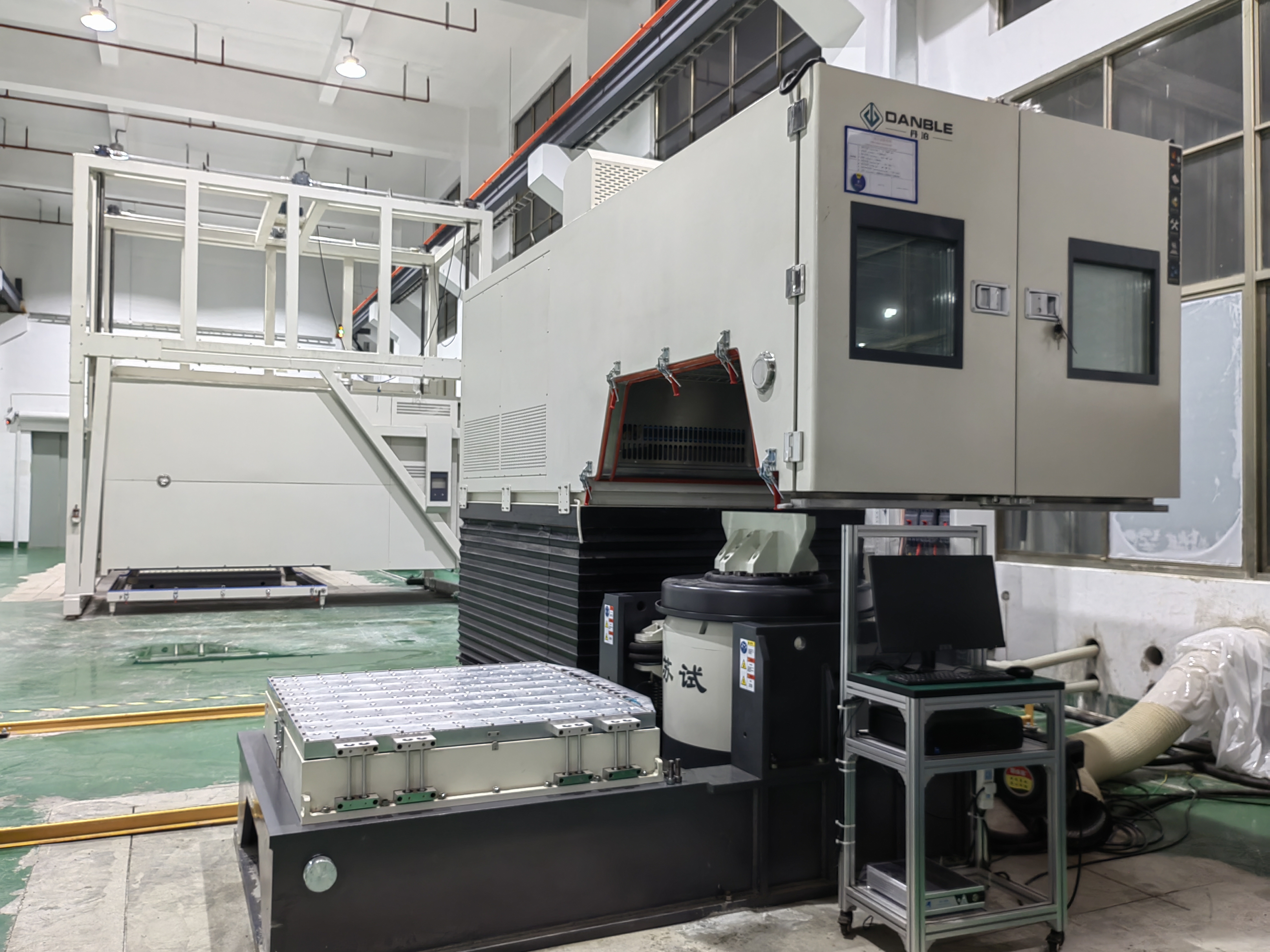
Battery test chambers simulate environmental conditions—temperature cycling, humidity, vibration—that batteries experience in real-world use. Without these chambers, manufacturers cannot guarantee product safety or performance.
Battery safety test chambers prevent catastrophic failures by detecting thermal runaway risks.
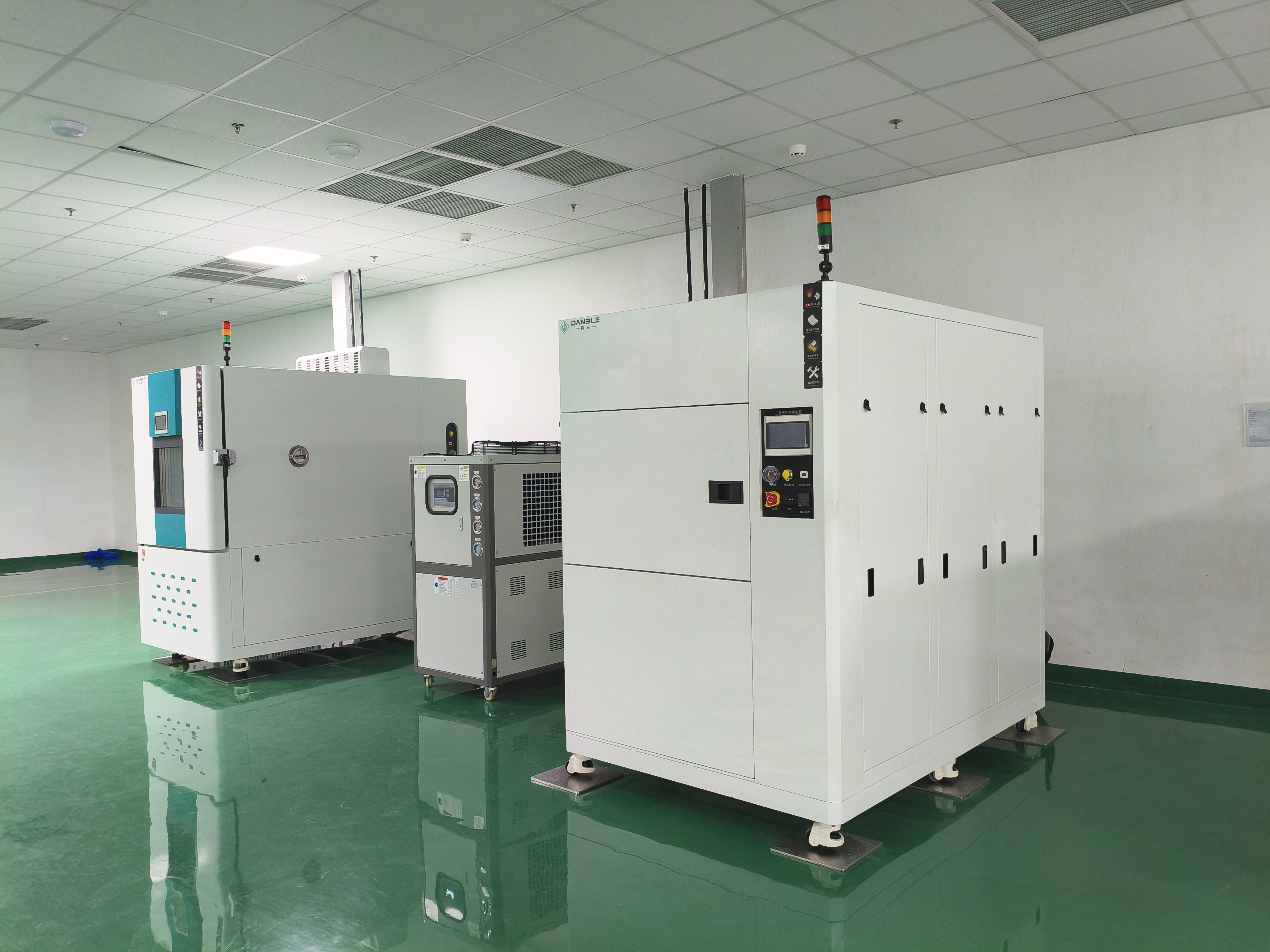
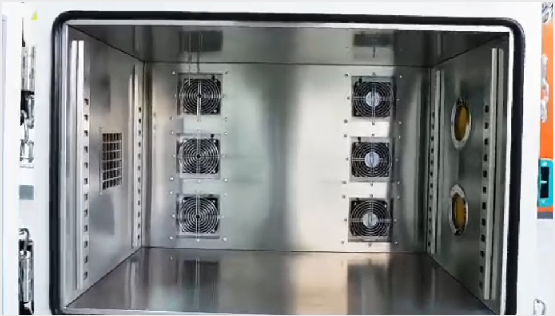
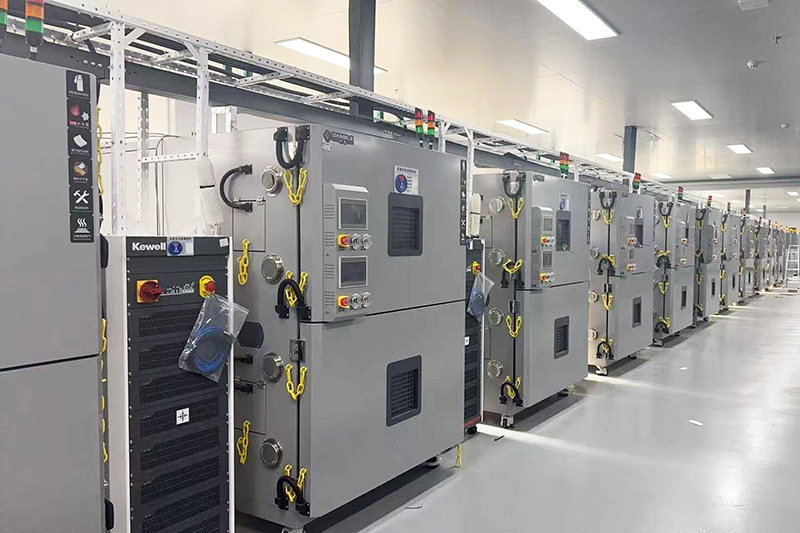
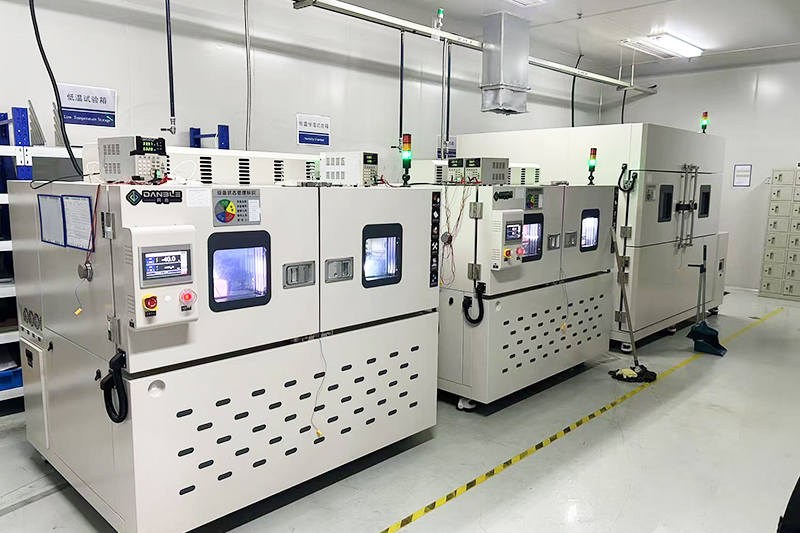
Reach in battery test chambers enable quick, hands-on experiments in smaller spaces.
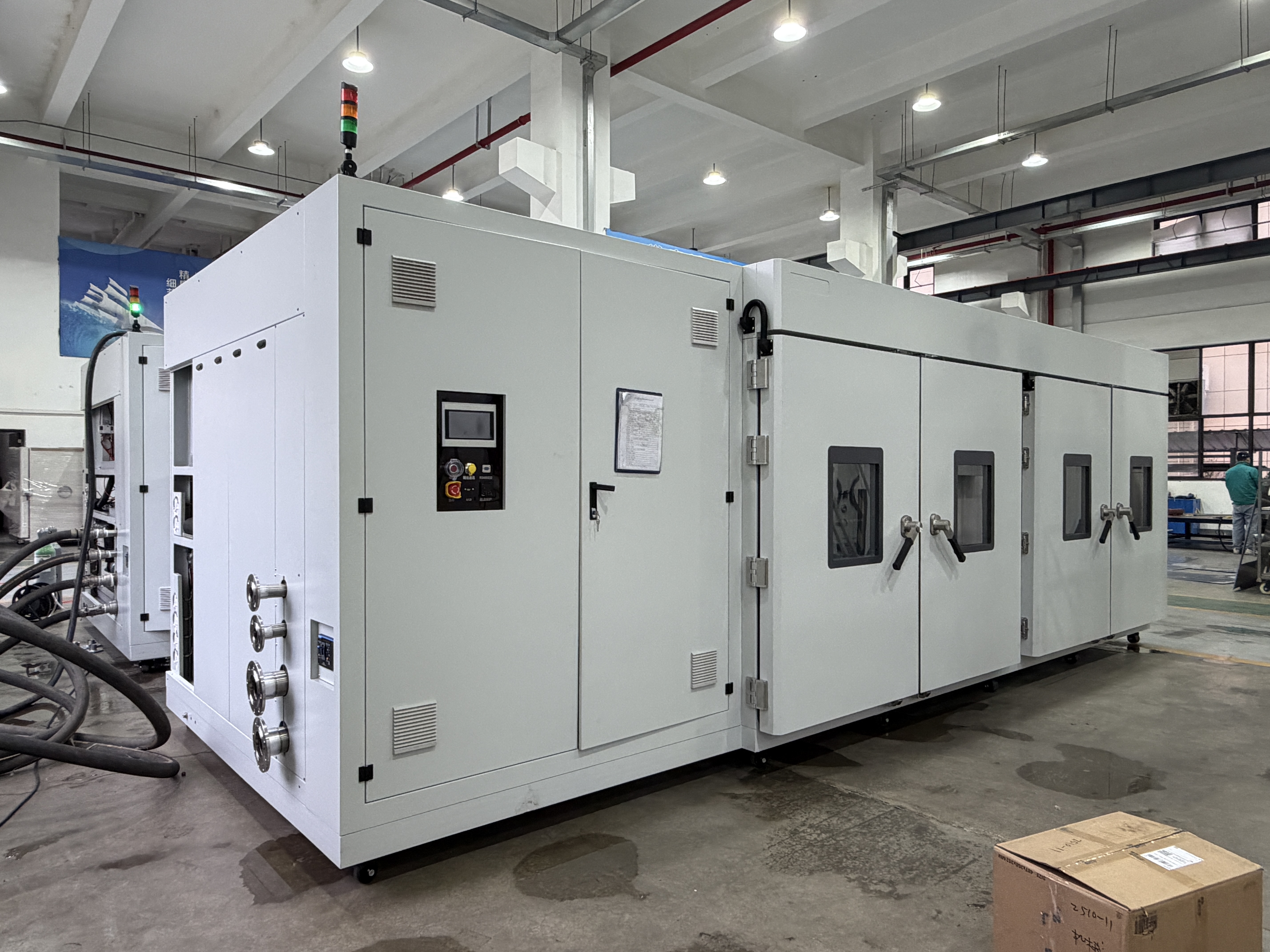
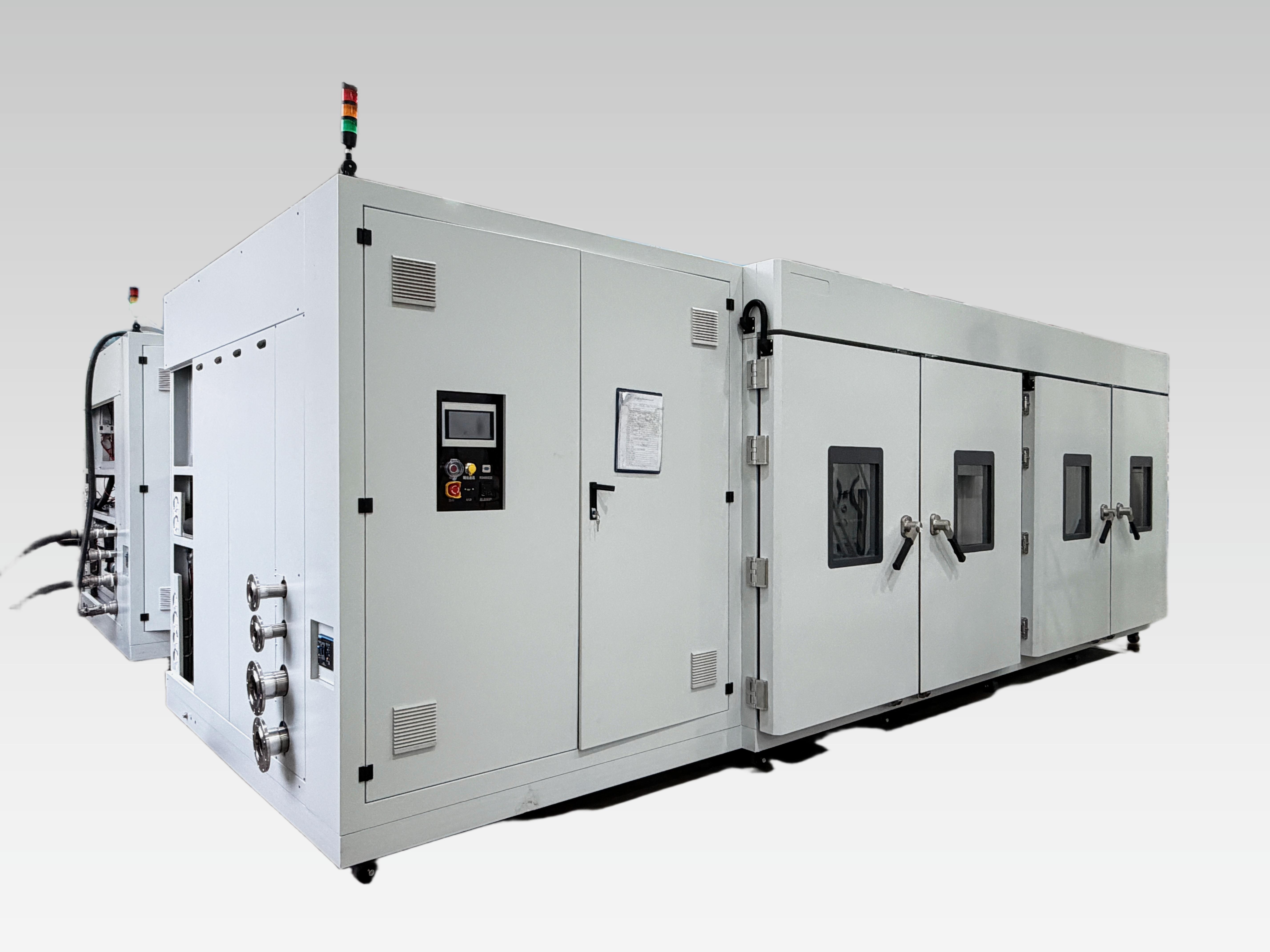
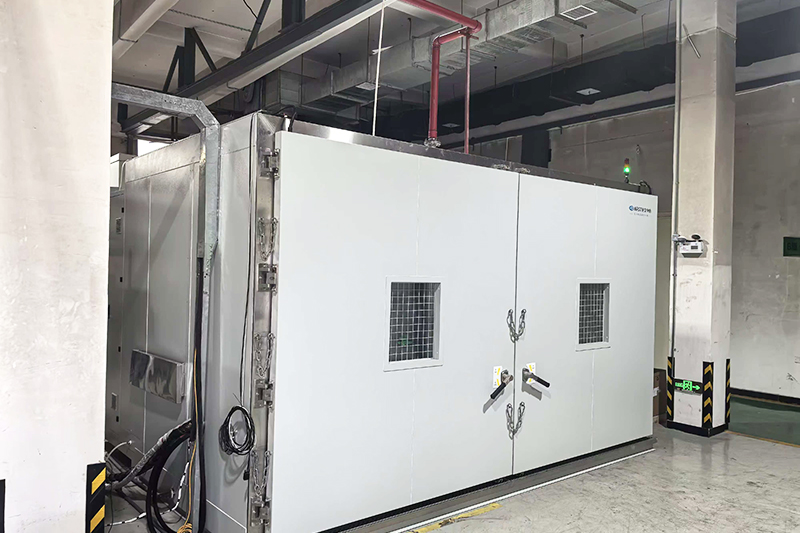
Large-scale battery testing chambers allow evaluation of EV battery packs under extreme conditions.
By investing in these systems, companies reduce recalls, improve safety records, and build stronger trust with customers.
Applications Across Industries
Our battery temperature test chambers are used in multiple sectors:
Electric Vehicles (EVs): Validating large lithium battery packs for durability, safety, and performance.
Consumer Electronics: Ensuring smartphones, laptops, and wearable devices operate safely across climates.
Energy Storage Systems: Testing grid-scale batteries for long-term stability.
Research Institutions: Supporting innovation in next-generation chemistries such as solid-state batteries.
Whether you are an automotive OEM or a battery research center, Danble Climate provides chambers that align with your unique needs.
Features That Matter to Battery Test Chamber Buyers
When customers search for Battery Temperature Test Chamber Manufacturers, they expect advanced specifications. Danble Climate provides:
Wide Temperature Range: From ultra-low subzero testing to high-heat thermal stress.
Safety Systems: Overtemperature protection, explosion-proof design, and gas venting.
Flexible Capacities: From compact reach in battery test chambers for lab use to walk-in units for EV packs.
Precise Controls: Intelligent controllers and data logging for reproducible test results.
Compliance: IEC, UN38.3, and SAE standards met for global market access.
How Do Battery Safety Test Chambers Improve Reliability?
Safety testing is not optional—it is the backbone of compliance. Battery safety test chambers allow engineers to replicate abuse conditions:
These tests answer key buyer questions: How safe is my battery under real use? How will it behave in a global supply chain? With the right chambers, your products will meet both local and international expectations.
Why Partner with a Trusted B2B Supplier?
Many companies ask: Why should we buy from Danble Climate instead of other battery test chamber suppliers?
Engineering Expertise: Decades of climate chamber design experience.
Customization: Tailored battery testing chambers for specific R&D or mass production requirements.
After-Sales Support: Global service network with fast response.
Cost Efficiency: Competitive pricing with long equipment life cycle.
As a B2B supplier, we understand procurement challenges, project deadlines, and compliance audits. Partnering with us reduces risk and accelerates project success.
Frequently Asked Questions About Battery Test Chambers
How to choose the right battery test chamber?
Assess sample size, safety standards, and required testing parameters. For quick experiments, reach in battery test chambers are efficient. For full EV packs, walk-in battery safety test chambers are recommended.
Why are battery temperature test chambers necessary?
Because temperature directly affects lithium-ion stability. Without controlled battery temperature test chambers, safety certification cannot be achieved.
Where can I find reliable Battery Temperature Test Chamber Manufacturers?
Danble Climate is a proven supplier with international installations and references. We help you buy battery temperature test chambers today with confidence.
Call to Action: Buy Battery Temperature Test Chamber Today
Ready to upgrade your testing capabilities? Whether you need compact reach in battery test chambers or large-scale battery safety test chambers, Danble Climate delivers proven solutions.
Contact our team now to request a quotation, schedule a demo, or discuss customization options.
Find Battery Temperature Test Chamber Manufacturers that understand your challenges.
Buy Battery Temperature Test Chamber today to ensure safety, compliance, and long-term performance.
Contact Us | Request a Quote | Learn More About Battery Test Chambers