Overview – What Is an Altitude Test Chamber & Why Do You Need One?
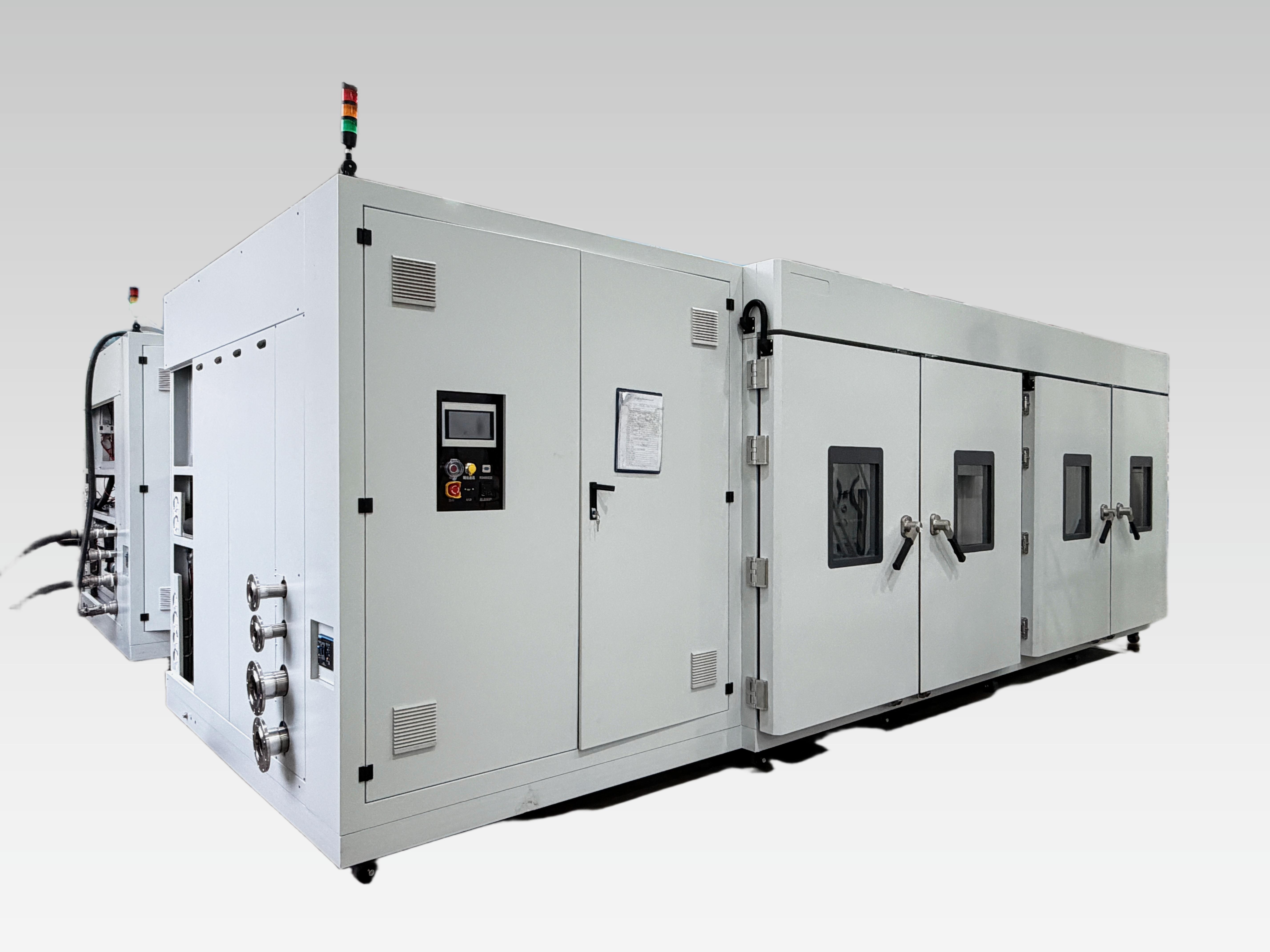
An altitude test chamber (also called a high altitude test chamber, altitude testing chamber or altitude simulation chamber) is a specialised environmental simulation chamber designed to reproduce low‑pressure, high‑altitude conditions. By controlling pressure, temperature and humidity over a wide range, these environmental simulation chambers allow engineers to evaluate how electronics, aerospace components, batteries, medical devices and packaging behave when exposed to extreme altitudes. In industries such as aerospace, automotive, electronics and defence, products may see drastic pressure drops during flight, transport over mountain ranges or space launches. An altitude temperature test chamber helps manufacturers identify design weaknesses, validate compliance with standards and ensure long‑term reliability.
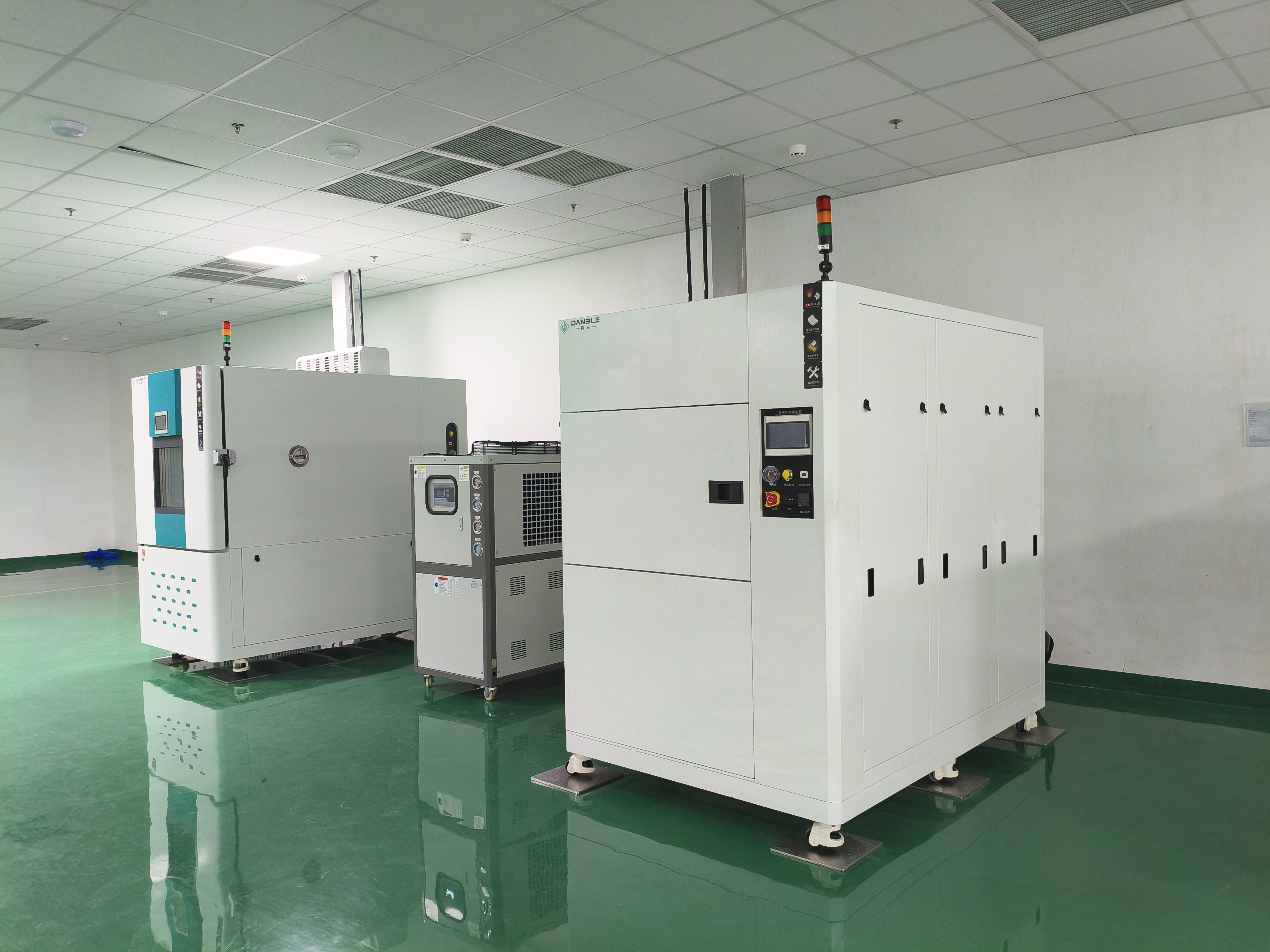
At Danble Instrument, we design low pressure test chambers that can simulate altitudes up to 45,000 ft (0.1 kPa). Our systems combine precise temperature control (‑70 °C to 150 °C) with humidity control, optional vibration integration and high‑speed depressurisation to meet standards such as MIL‑STD‑810G. Whether you need a reach‑in altitude test chamber for PCB testing in Seattle or a custom walk‑in aerospace altitude test chamber for satellite components, we help you simulate every combination of altitude, temperature and humidity.
How Does a Low‑Pressure Altitude Testing Chamber Work?
Altitude chambers use powerful vacuum pumps to reduce internal pressure, recreating the low atmospheric pressures found at high elevations or during flight. Advanced PLC controllers and PID algorithms maintain stability and adjust pressure quickly to simulate rapid decompression or slow ascent. Heating and cooling elements regulate temperature and humidity, making the chamber an environmental simulation chamber rather than just an air pressure chamber.
For example, Danble’s Altitude Test Chamber DBTL‑150D3 can depressurise from sea level to 0.5 kPa in ≤45 minutes, hold a stable temperature from ‑70 °C to 150 °C (±0.5 °C) and maintain humidity from 20 % to 95 % RH. Built‑in sensors monitor pressure, temperature and humidity and feed data to a Siemens PLC for precise control. Safety features include over‑pressure and over‑temperature protection, vacuum leak detection and emergency stop functions. By combining these functions, our altitude chamber test systems allow simultaneous altitude and thermal cycling for reliability testing of electronics, battery packs and aerospace hardware.
Applications: Who Uses High‑Altitude Simulation Chambers?
Aerospace & Defence: Aircraft structures, satellite components, avionics and propulsion systems must withstand extremely low pressures and temperature swings. Our aerospace test chambers validate performance under vacuum, help certify components to MIL‑STD‑810G and other standards and allow developers to test explosive decompression or rapid depressurisation scenarios.
Automotive & EV Batteries: Modern vehicles use sensitive electronics, sensors and lithium‑ion batteries. Our altitude temperature test chambers can test battery packs under combined low‑pressure and high‑temperature conditions. For EV batteries, we also offer battery test chambers with automated charge–discharge cycles, real‑time data monitoring and cloud‑based reporting. The article “Why Leading Manufacturers Are Upgrading to Smart Battery Test Chambers” notes that battery test chambers enable automation, real‑time data analysis and precise control, which improve throughput, reduce costs and enhance product safety.
Electronics & Consumer Products: Semiconductors, PCBs, displays and consumer electronics must function when shipped by air or used at high altitudes. Our electronics simulation test chambers reproduce thermal cycling and low pressure to identify solder joint cracks, component derating or condensation issues.
Medical Devices & Packaging: Medical diagnostics equipment, pharmaceutical packaging and precision instruments require reliability. By simulating low‑pressure environments, our low pressure chambers test seal integrity and ensure consistent performance in varying altitudes.
Key Technical Features & Benefits
Wide Pressure & Temperature Range: Pressure from ambient down to 0.1 kPa, with optional rapid depressurisation modules for 15‑second decompression. Temperature range from ‑70 °C to 150 °C with ±0.5 °C stability. This dual capability makes our products true altitude temperature test chambers.
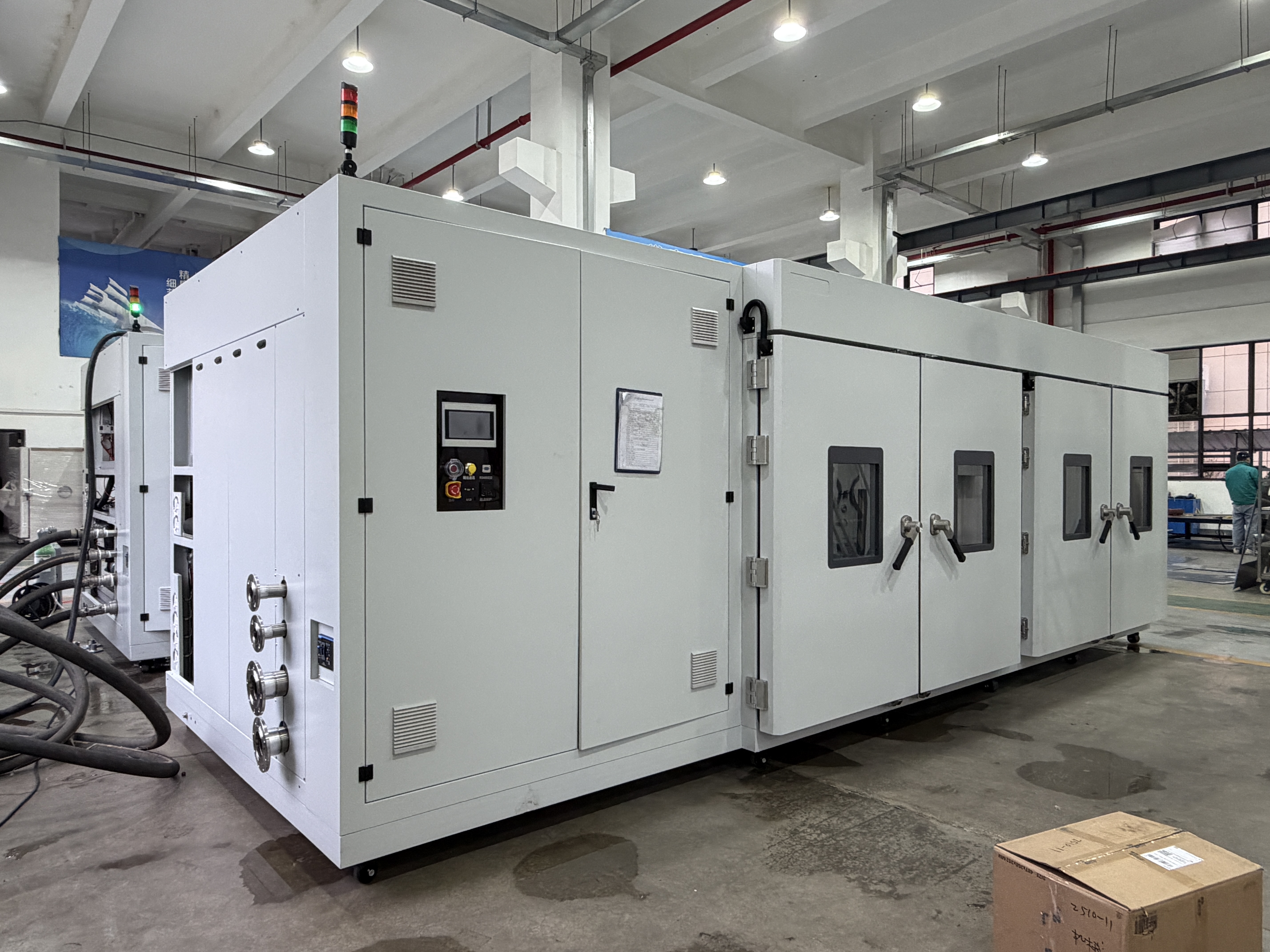
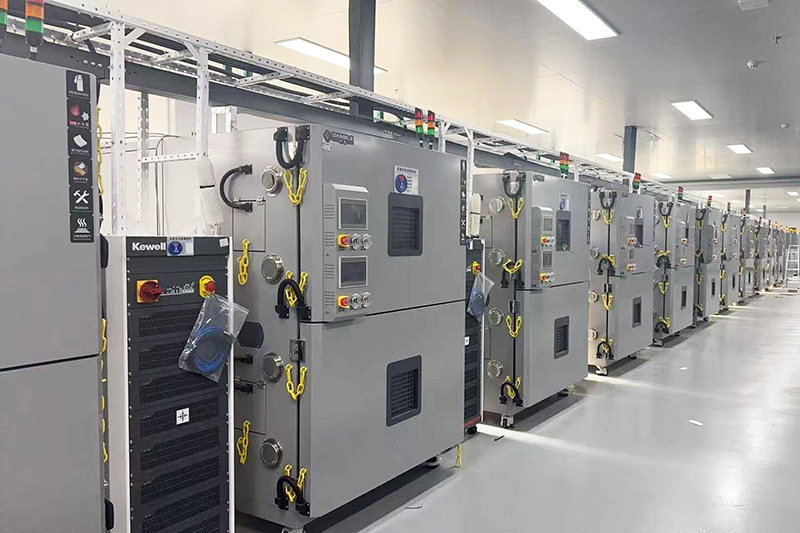
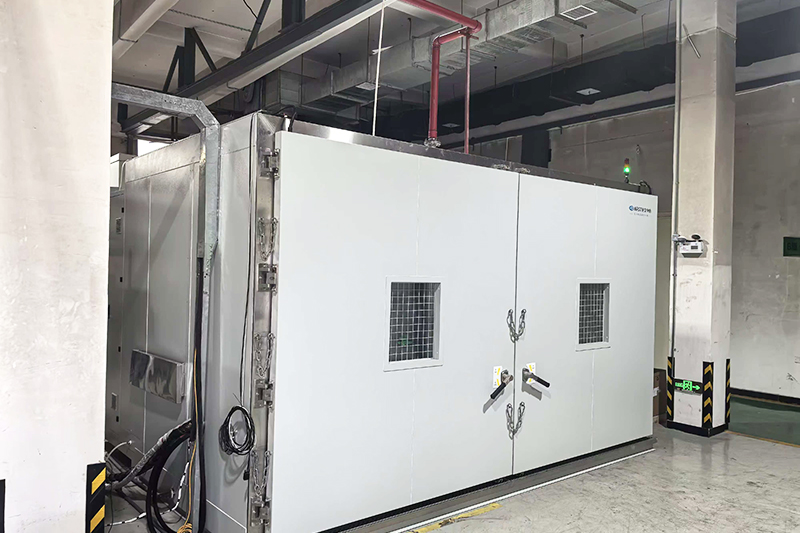
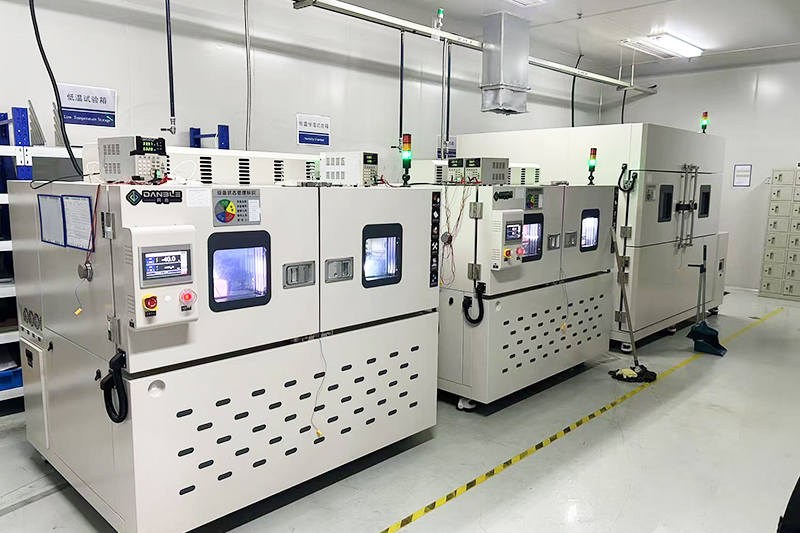
Scalable Volumes: Standard chambers from 80 L to 4,500 L and custom solutions up to 52,500 L. Whether you need a benchtop chamber for R&D or a walk‑in aviation test chamber, we adapt volume, footprint and configuration.
Advanced Controls & Data Connectivity: Siemens PLCs with 7–10 inch touchscreens, multi‑language support, RS‑485 and USB ports for data export. Real‑time monitoring allows test engineers to adjust parameters and export Excel reports for analysis. For battery testing, integrated software automates charge/discharge and capacity fade analysis.
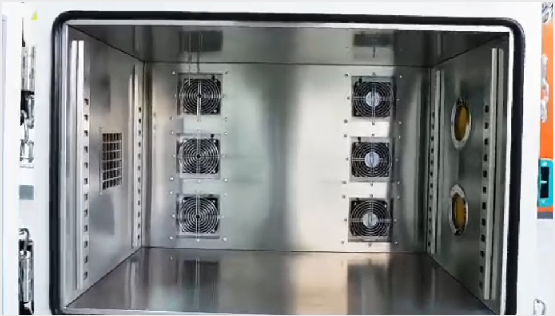
Vacuum & Insulation Technology: Magnetic levitation pumps reduce noise (<75 dB) and eliminate oil contamination. Stainless steel inner chambers with polyurethane foam insulation retain temperature and prevent condensation. Water‑cooled condenser options increase efficiency for high load tests.
Safety & Compliance: Emergency pressure relief valves, door interlocks, thermal overload protection and phase‑loss detection meet IEC, GB, GJB and UL standards. Chambers are certified to GB/T 10590, GJB 150.6 and MIL‑STD‑810C, ensuring compliance for defence and aerospace contracts.
Energy Efficiency: Variable frequency drives and high‑efficiency fans reduce power consumption. Easy access to filters, compressors and sensors simplifies maintenance, while built‑in self‑diagnostic functions minimise downtime.
Customisation & Support
Every testing programme is unique. Danble provides customised altitude test chambers tailored to your product dimensions, load requirements and testing protocols. Custom options include non‑standard chamber sizes, rapid decompression modules, humidity integration, multi‑zone temperature ranges and data logging for continuous operation. For clients testing explosive decompression in aerospace or EV battery fire suppression, we can add reinforced pressure vessels and blast vents. Our engineers collaborate with you to design the optimal high pressure test chamber or low pressure test chamber for your application.
As a B2B supplier, we know that reliability doesn’t end at delivery. We offer professional installation and on‑site training, 1–2 year warranties with extended coverage options, 24/7 technical support, and readily available spare parts and calibration services. With over 13 years of R&D experience and ISO 9001 certification, our chambers have earned trust from Fortune 500 companies, research labs and aerospace agencies worldwide.
Battery Test Chambers – A Complementary Solution for EV & Electronics Testing
Battery performance and safety have become critical concerns in the Pacific Northwest as the electric‑vehicle market expands. Traditional manual testing cannot keep up with growing production volumes. Our intelligent battery test chambers automate charge–discharge cycles, capacity testing and stress tests. According to Danble’s research article, these chambers provide automation, real‑time monitoring and precise control to optimize throughput and ensure compliance. They handle large volumes of data and support batch testing without compromising accuracy. Automated processes reduce human error and enable continuous testing, even outside normal working hours. Real‑time data monitoring helps engineers identify anomalies quickly, and cloud‑based storage simplifies multi‑facility collaboration. If you manufacture batteries or integrate battery packs into aerospace or automotive systems, pairing an altitude test chamber with a battery test chamber ensures your products meet both altitude simulation and electrical performance requirements.
Frequently Asked Questions (FAQ)
How do I choose between a high altitude test chamber and a low‑pressure chamber?
These terms are often used interchangeably. A high altitude test chamber simulates conditions above sea level by reducing pressure, whereas a low‑pressure test chamber could include vacuum environments used in space simulations. Danble’s chambers cover both use‑cases with pressure ranges down to 0.1 kPa.
Why is humidity control important in altitude chamber testing?
Combining low pressure with high or low humidity exposes hidden failure modes like moisture condensation, corrosion and material swelling. Optional humidity modules allow you to perform temperature‑pressure‑humidity tests for electronics and packaging.
Can altitude testing be combined with vibration or thermal shock?
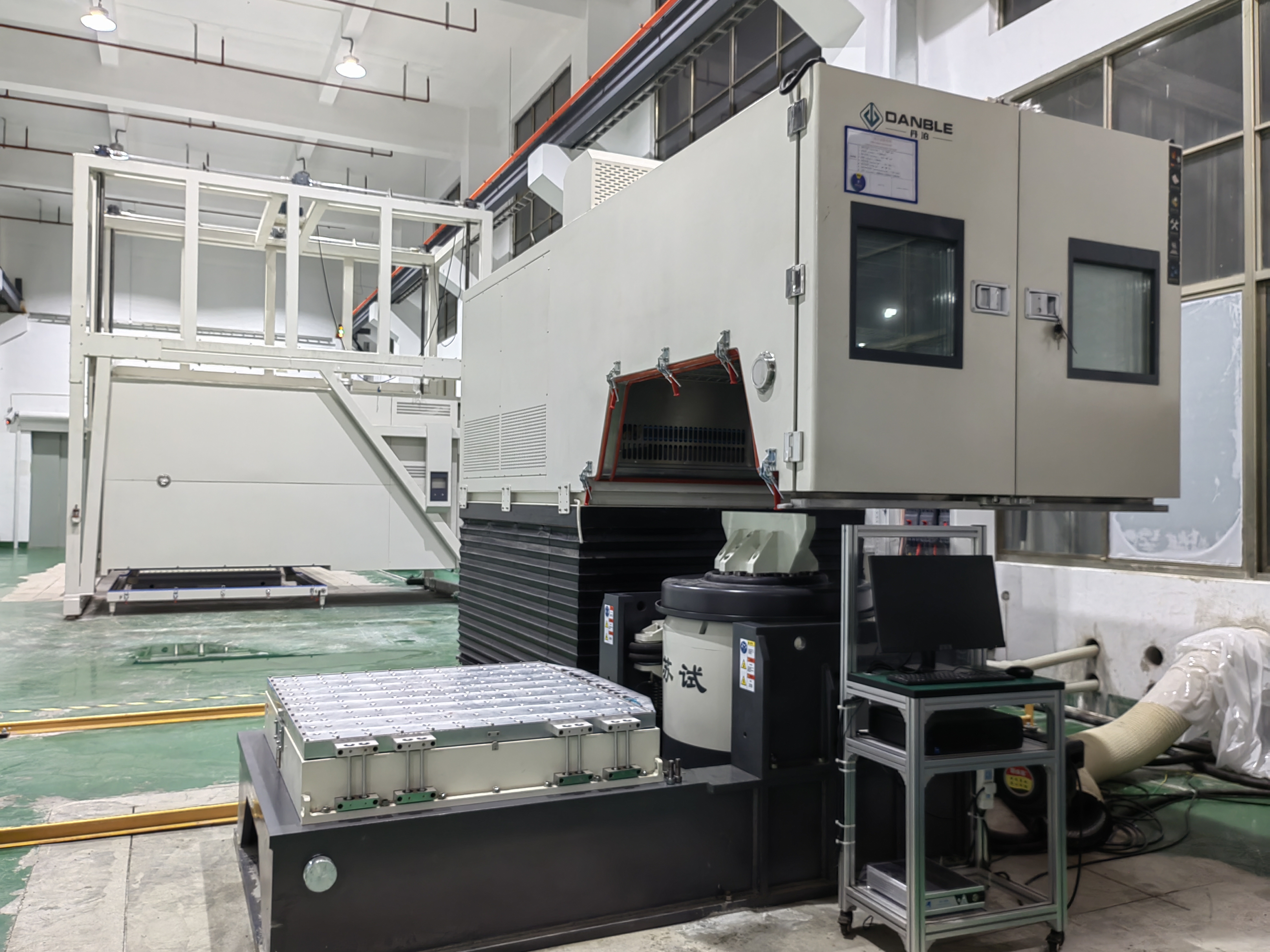
Yes. Our high altitude test chambers integrate with vibration tables, thermal shock chambers and battery cyclers to simulate multi‑axis stresses. For example, triple‑zone thermal shock ranges from ‑65 °C to +180 °C.
Do you provide service in the United States?
Absolutely. We ship to Seattle and across North America and offer remote support, spare parts and on‑site commissioning to ensure your altitude chamber runs smoothly.
Why invest in an altitude test chamber instead of outsourcing testing?
Owning a pressure testing chamber accelerates product development, protects intellectual property and lowers long‑term testing costs. The ability to perform iterative tests in‑house leads to faster certification and time‑to‑market.
Why Choose Danble Climate?
Reputation & Compliance: ISO 9001 certified, 13+ years of R&D, compliance with global standards and trusted by top companies.
Customization & Flexibility: Wide selection of sizes (80 L to 52,500 L), optional temperature and humidity control, rapid depressurisation modules and multi‑zone configurations.
Technical Excellence: Advanced control systems, quiet magnetic pumps, robust safety measures and real‑time data analytics.
Comprehensive Support: From design consultation to installation, training and maintenance plans, we partner with you at every stage.
Value for Seattle & West Coast Customers: We understand the needs of aerospace, battery and tech companies in the Pacific Northwest. Our responsive service and logistics ensure you receive fast delivery and expert support.
Ready to Simulate Extreme Altitudes?
Whether you’re testing satellites, EV batteries or consumer electronics, Danble’s altitude simulation chambers and battery test chambers provide the reliability and precision your products demand. Explore our lineup of high altitude test chambers, reach‑in altitude chambers, aerospace test chambers and environmental simulation chambers. Have questions like “How does an altitude test chamber improve battery safety?” or “Why use a low pressure chamber for electronics?” Our engineers are ready to help.
Contact us today for a tailored quote or schedule a virtual demonstration. Let us show you how our high‑altitude test chambers can elevate your testing capabilities and keep your products safe in any environment.