
Latest News
-
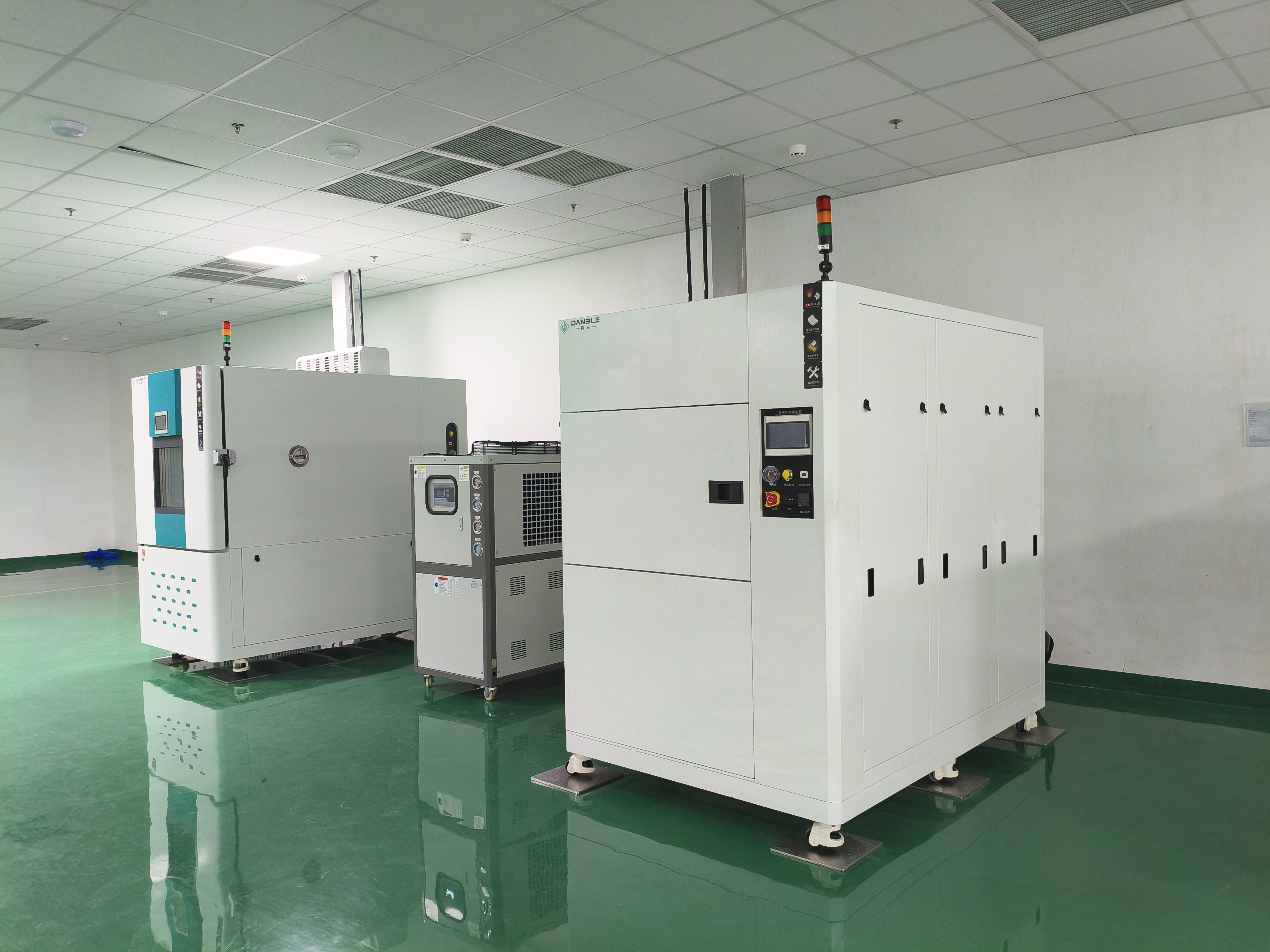 Prevent yield loss and field failures with precise temperature uniformity and contamination control in semiconductor aging test chambers.Blogs
 -
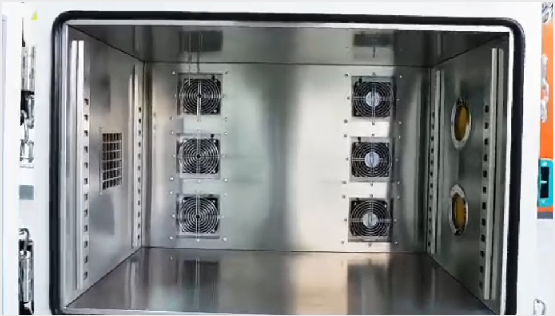 Discover how constant temperature humidity chambers deliver precise stability and prevent costly recalls. Essential setup and procurement guide.Blogs
 -
 Prevent costly electronic failures with the Double 85 test. Discover 85°C/85% RH compliance standards, test durations, and chamber requirements.Blogs
 -
 Maximize lab throughput without expanding floor space. Learn how to evaluate multi-layer temperature humidity chambers for true parallel testing.Blogs
 -
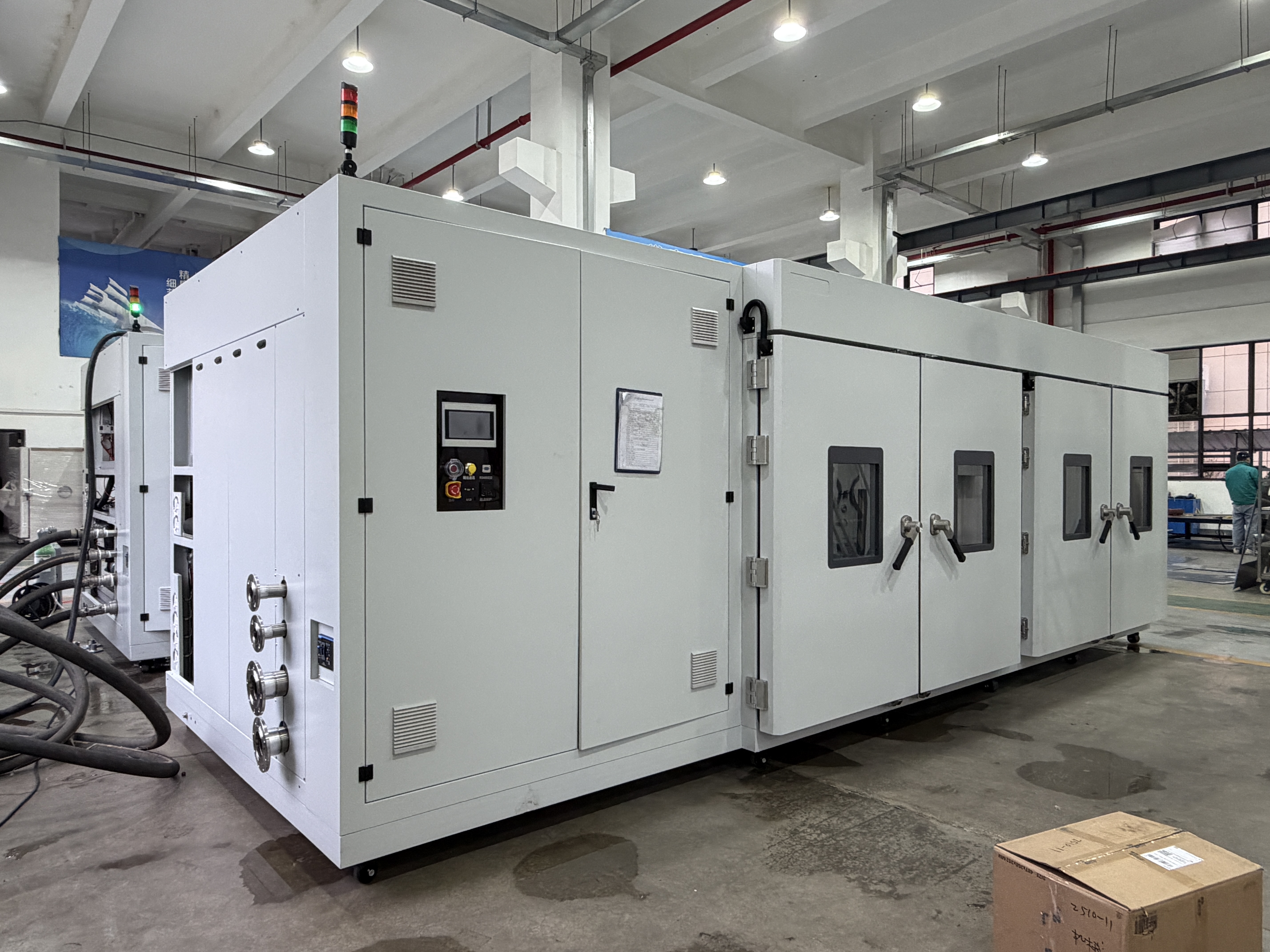
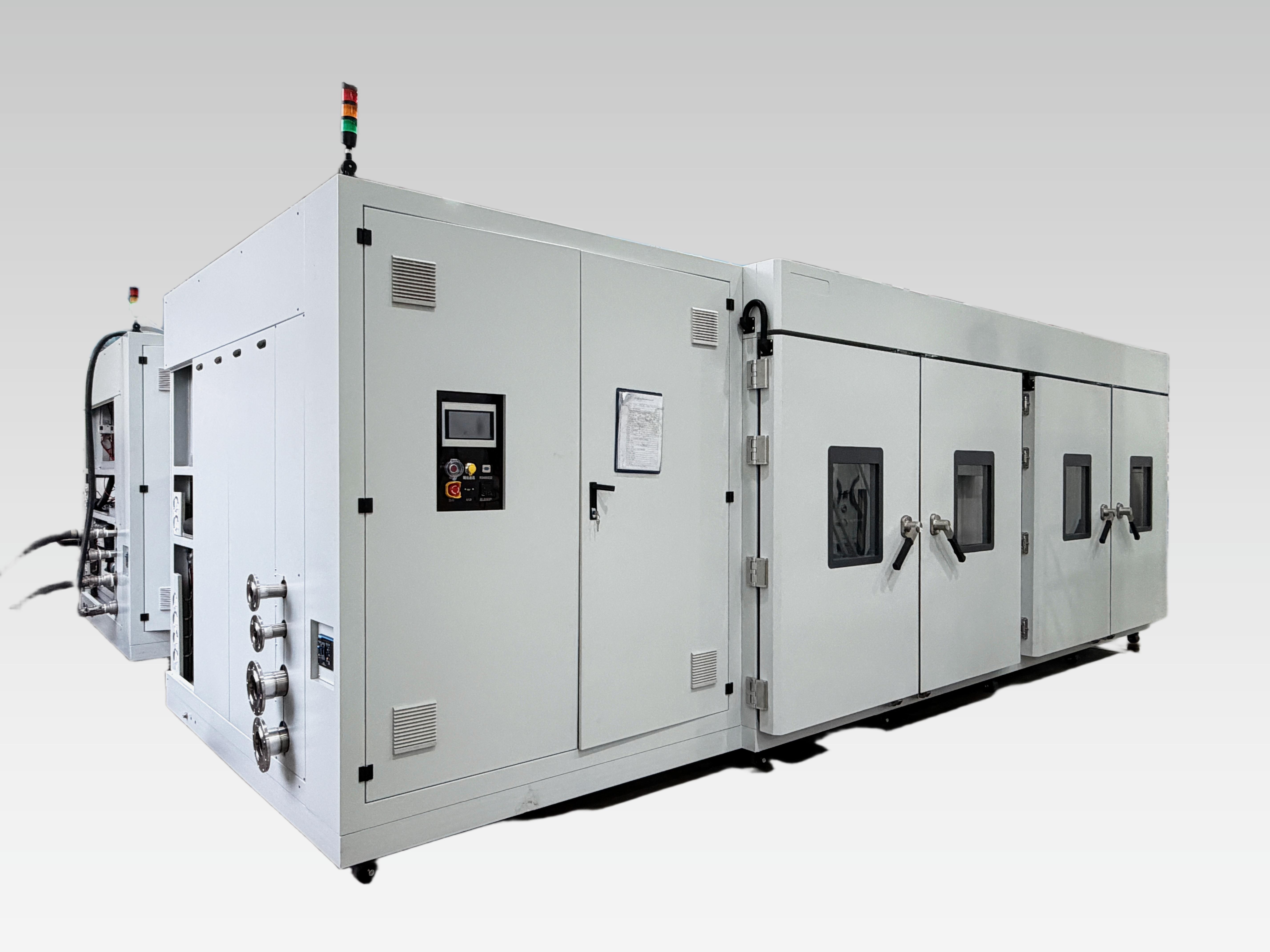 Master 8 critical specs for custom climatic test chambers—loaded ramp rates, heat loads, facility fit, and safety—to avoid costly failures.Blogs
 -
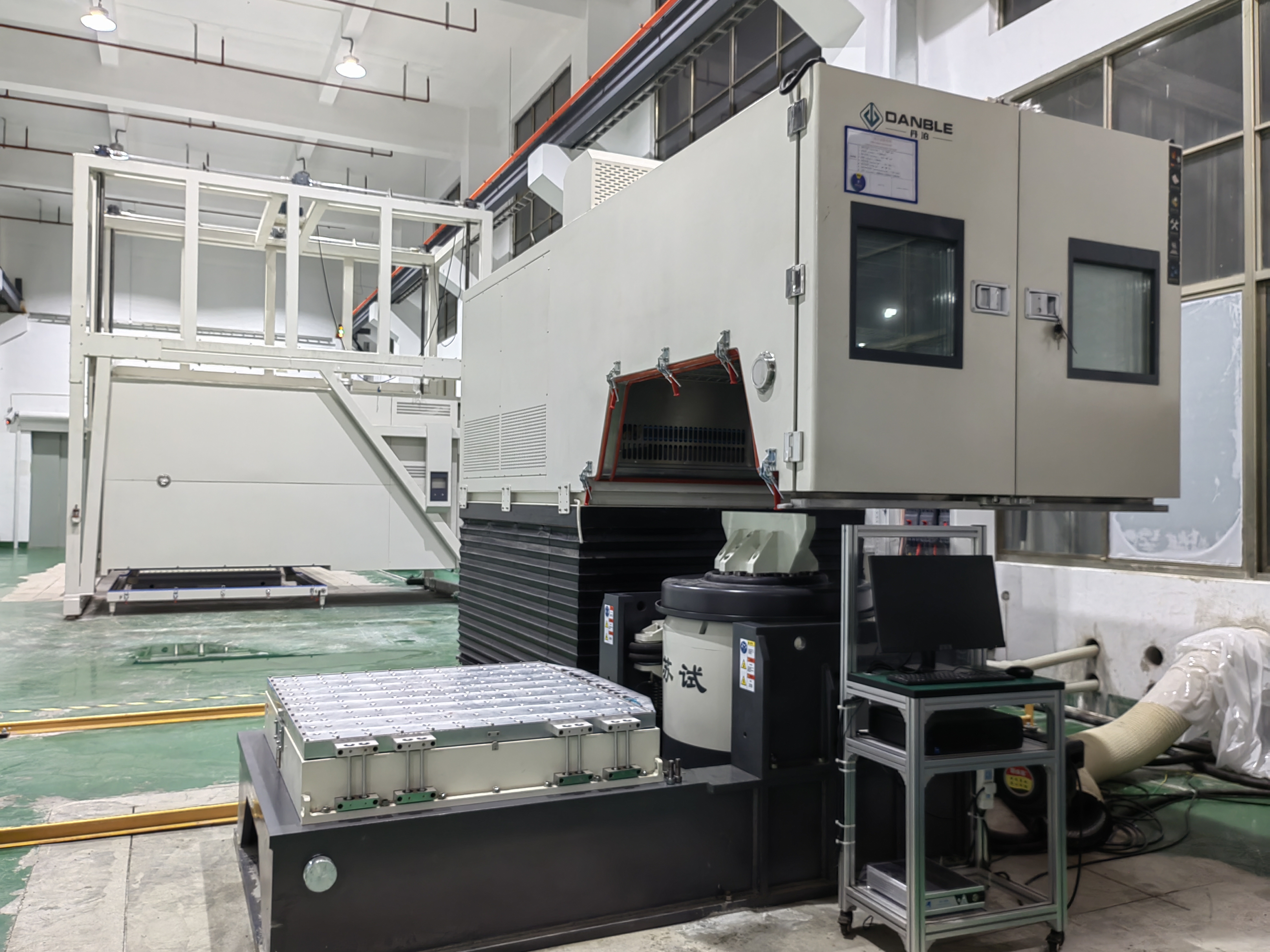
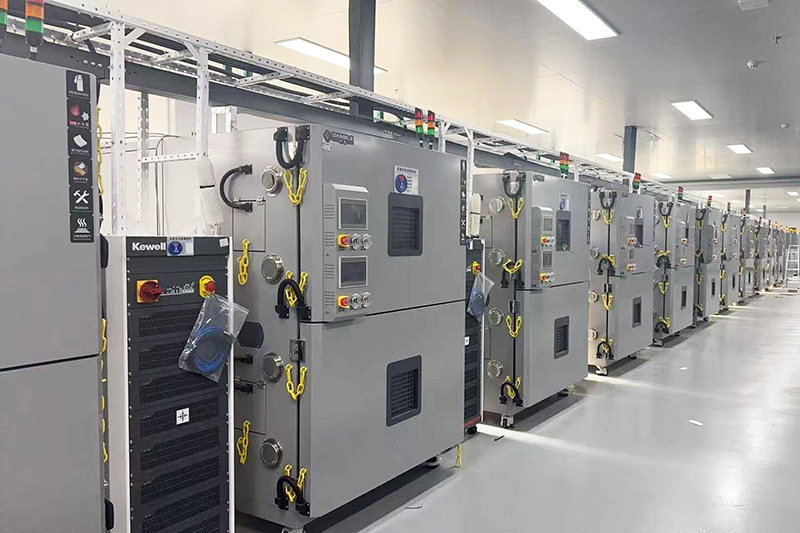 The rapid development of electric vehicles and renewable energy systems requires advanced environmental testing solutions for battery safety, reliability, and performance validation.Industry Applications
 -
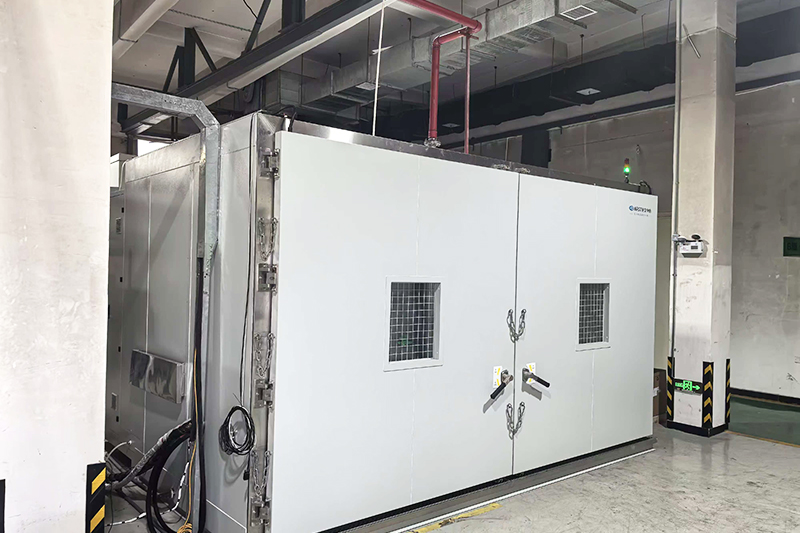 The transition toward electric mobility creates increasing demand for environmental testing of EV components and systems.Industry Applications
 -
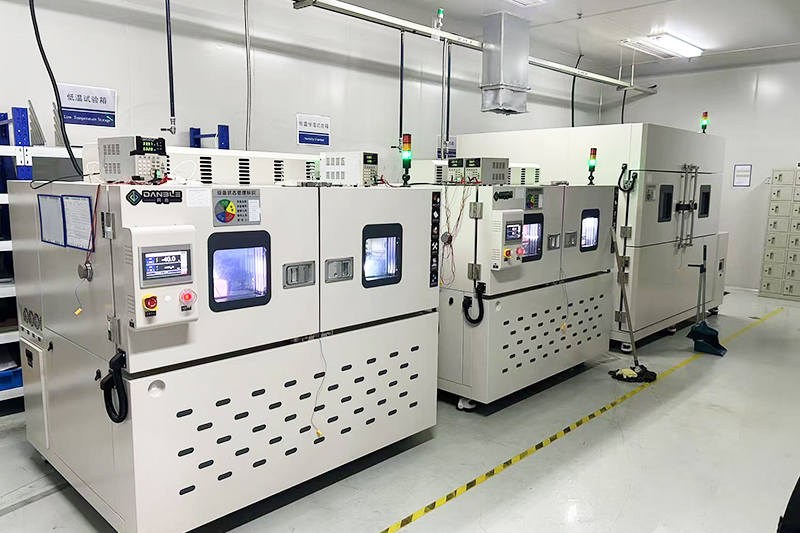 Electronic products require strict environmental validation to ensure stable performance throughout their lifecycle.Industry Applications