When I pick a temperature chamber, I look for important things. These things help make testing work well and fast. I always check if the chamber’s features fit what my lab needs. Here are the main things I think about:
Wide temperature range for different test conditions.
Chamber size and sample capacity that fit my current and future projects.
Precise control of temperature and humidity.
Energy efficiency to manage costs.
Durable build for frequent use.
User-friendly controls and data logging.
I like to talk to experts before I choose one.
Key Takeaways
Pick a temperature chamber that matches your testing needs now and later. Think about the size, temperature range, and features like humidity control.
Make sure your lab has enough space and power for the chamber. This helps the chamber fit well and work safely. It also stops extra costs from happening later.
Find chambers that keep the temperature steady and even. This helps you get good test results every time.
Choose chambers that use less energy and have eco-friendly features. This saves money and helps the planet.
Use chambers that record data and let you watch tests from far away. This makes it easy to track tests and spot problems early.
Testing Needs
Application Requirements
When I pick a temperature chamber, I first think about what I need to test. Each project is different and has its own needs. Some samples must have very steady and exact temperatures. This is important for strict testing rules. I look for chambers that can do many things. They should handle temperature cycling, humidity control, and fast temperature changes. My lab tests products from electronics, cars, and airplanes. These products must work well and be safe in hard conditions.
I also make sure the chamber is the right size for my samples. Some tests use small benchtop chambers. Other tests need big walk-in chambers for large items. The chamber should hold the right amount and have features like automatic data storage. This helps me keep records and follow industry rules. I check ramp rates, temperature range, and humidity control. These things affect how well the chamber works. I always match the chamber’s features to my testing needs. This is true for thermal shock, vibration, or altitude tests.
Tip: I always check my lab’s power and space before I pick a chamber. This helps me avoid problems later.
Future Expansion
I think about the future when I choose a temperature chamber. My lab’s needs change as we get new projects. There is more need for faster and better testing. This is true in electronics and medicine. I look for chambers with smart controls, like data logging and automation. These features help me follow new rules and make my job easier.
I like chambers that save energy. This helps me spend less and is good for the planet. I also want chambers that work with lab software and can be watched from far away. As my lab grows, I need chambers that fit in small spaces or can be stacked. I think about the cost over time, like service and how much I get back from my investment. I want a chamber that can change for new tests and rules. So, I look for options with custom and smart features.
I check for:
Fast temperature ramp rates
Even temperature everywhere inside
Small and stackable designs
Remote and cloud control
Easy use with lab automation
Planning for the future helps me get the most from my chamber. It also keeps my lab ready for new work.
Temperature Chamber Size
Sample Volume
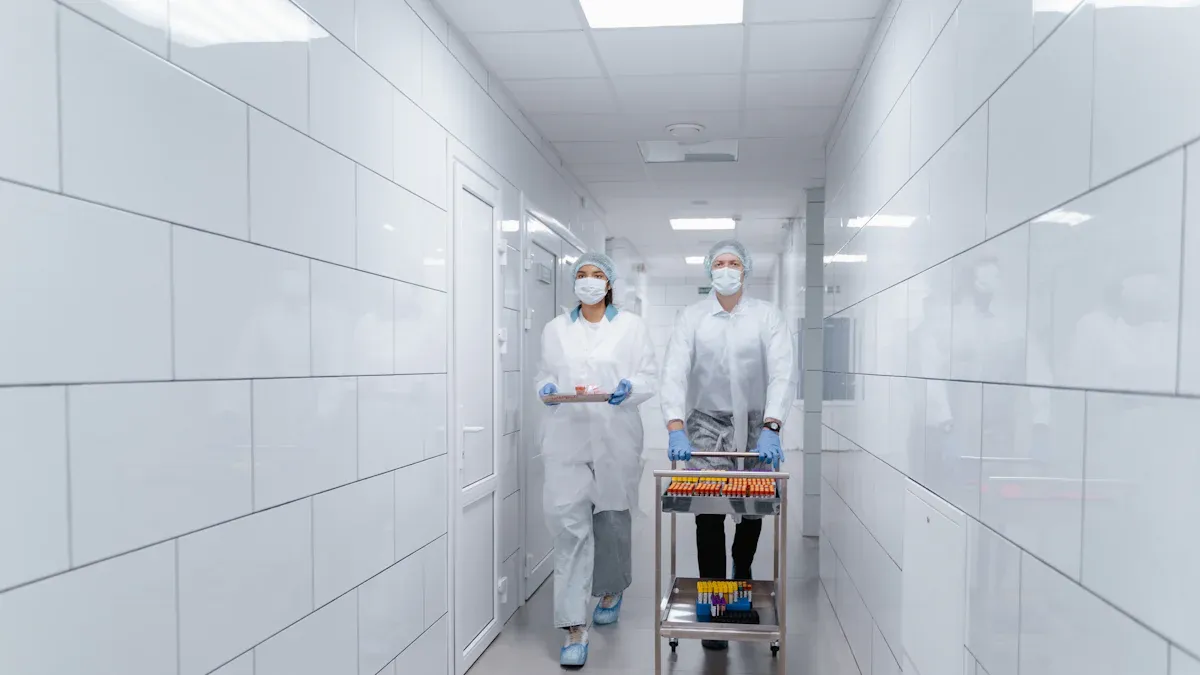
When I choose a temperature chamber, I always start by thinking about the size of my samples. The internal chamber volume must be big enough to fit all my test items. I learned that the chamber should be at least three to five times larger than the total volume of my samples. This helps the temperature stay even around everything I test. If I use a chamber that is too small, the temperature might not be the same everywhere inside. That can give me bad results.
I look at different chamber sizes for different needs:
Benchtop chambers work well for small samples or when I need to move the chamber around. These are great for electronics or small product tests.
Reach-in chambers let me test bigger items or more samples at once. I use these for research and quality checks.
Walk-in chambers are the largest. I use them when I need to test big equipment or many items together, like in car or airplane parts testing.
I always match the internal chamber volume to my project. If I have a lot of samples, I pick a bigger chamber. For just a few, a small reach-in chamber saves space and money.
Tip: I check the size and mobility of the chamber before I buy. Sometimes, using several small chambers is better than one big one.
Lab Space
Lab space is very important when I pick a chamber. I measure my room and make sure I have enough space for the chamber and for people to move around. Most chambers need 18 to 36 inches of space on all sides. This keeps the air moving and helps the chamber work well. I also keep the room at about 70°F so the temperature inside the chamber stays steady.
Benchtop chambers are easy to fit in small labs. I can even stack them to save space. Floor-standing models need more room and stronger power connections. Walk-in chambers take up the most space. I make sure the floor is flat and strong enough to hold the chamber. I also check that I have enough clearance for doors and for the air conditioning unit.
I always remember:
Keep enough space around the chamber for airflow.
Make sure the power and water connections are ready.
Stack smaller chambers if I need more testing in less space.
Choosing the right size and planning my lab space helps me get the best results from my temperature chamber.
Performance & Accuracy
Temperature Range
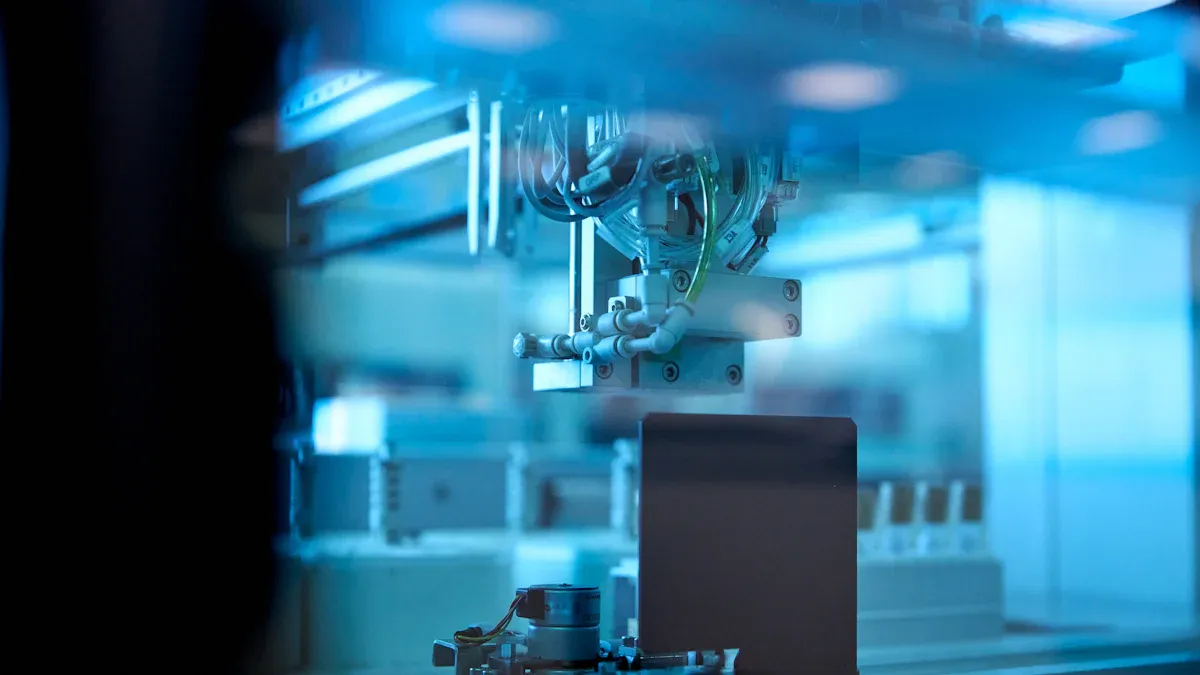
I always look at the temperature range first. My tests need very cold and very hot temperatures. I want a chamber that works in tough conditions. Most chambers in 2025 have wide ranges. Here is a table with common ranges:
Chamber Type | Temperature Range |
|---|---|
Conditioned Air Supply | -70°C to +90°C ±0.3°C |
Vacuum Space Chamber | -70°C to +125°C ±1.0°C |
Walk-In Environmental Chamber | -68°C to +85°C (extended ranges available) |
I make sure the chamber covers all my needed temperatures. This lets me test for freezing and hot places.
Precision & Uniformity
Getting good results matters a lot in my lab. I pick chambers that keep the temperature steady and even. I check if accuracy is between ±0.2°C and ±0.5°C. Humidity control should stay close to ±1.5%RH to ±3%RH. Stable and even conditions help me trust my results. I use sensors in different spots to find hot or cold areas. This helps me avoid mistakes in my tests. I also use data logging to track every change. This makes it easy to show my results and follow rules.
Tip: I always ask for a test report that shows how precise and even the chamber is before I buy.
Temperature Cycling
Temperature cycling is very important for my tests. I use it to see how things handle quick changes from hot to cold. This matters for electronics, cars, and medicine. Good temperature cycling helps me find weak spots early. I use thermal shock testing to push products hard. This shows if they will last in real life. Chambers with fast cycling rates let me do more tests quickly. I also use thermal shock testing to meet strict rules. My chamber must keep the temperature even during each cycle. This gives me steady and repeatable results. Good temperature cycling features help me get better results.
Temperature cycling helps me:
Find problems before selling products
Make products better
Meet rules for my industry
Make sure products work in hard places
Energy Efficiency & Cost
Operational Costs
When I pick a temperature chamber, I think about running costs. The price to buy it is just the start. I check how much power it uses for each test. Chambers with energy-saving compressors use less power. This helps me save money over time. I also look for an eco-mode setting. Eco-mode uses less energy when not testing. This can lower my monthly bills a lot.
I always ask what kind of refrigerant the chamber uses. Low-global warming potential refrigerants, like R-1234yf, are better for the earth. I also want inverter technology in the compressor. This lets the chamber use only the power it needs. It helps keep my costs lower. I use built-in data logging to track power use. This shows me where I can save more energy.
Tip: I always compare how much power each chamber uses in a year. This helps me choose the best one for my budget.
Sustainability
I care about how my lab affects the planet. I pick chambers with eco-friendly features. I look for low-GWP refrigerants and energy-saving compressors. I also like chambers with eco-mode settings. These help me use less power and lower my carbon footprint.
I check if the chamber meets safety and reliability standards. Some examples are ISO 16750, MIL-STD-810, and IEC 60068. These are not green certifications, but they show the chamber is safe and strong. I know that ENERGY STAR, LEED, and BREEAM are for buildings, not chambers. I focus on features that make my chamber efficient and good for the environment.
Here are some things I want in a green chamber:
Low-GWP refrigerants
Inverter compressors
Eco-mode operation
Meets important industry standards
By picking a chamber with these features, I save money and help the planet.
Durability & Build Quality
Frequent Use
I use my temperature chamber every day for hard tests. I need a chamber that can handle lots of use and still work well. I look for strong parts inside, like stainless steel. Stainless steel does not rust and is easy to keep clean. The outside is made from stainless steel, aluminum, or embossed steel. These tough materials help stop dents and scratches. Good insulation keeps the heat or cold inside the chamber. This helps my tests stay right.
I check if the chamber meets important global standards. This means it can handle tough jobs and rough use. The chamber has special heating and cooling parts. Electric heaters and compressors work together to keep the temperature steady. Fans and ducts move air so the whole chamber stays the same temperature. Control systems with PID controllers watch and change the temperature. This makes the chamber strong and reliable.
Here is a table that shows what I want in build quality:
Aspect | Details |
|---|---|
Interior Material | High-quality stainless steel (SUS#304) |
Exterior Material | Stainless steel, aluminum, or embossed steel |
Construction Quality | Built for tough tests and meets global standards |
Compressor | High-capacity, semi-hermetic type |
Safety Features | Security door, leakage breaker, safety controls |
Energy & Water Savings | Uses eco-friendly refrigerant for lower costs |
Tip: I always pick a chamber with good safety features. This keeps my lab safe during long tests.
Maintenance
I keep my chamber working well by following a regular plan. I look at and clean the chamber often. I check air filters and the condenser every month. I clean the water system to stop mold and algae from growing. I test the refrigeration system every three months. I calibrate sensors every six to twelve months to keep my results right.
I use distilled water in the chamber to stop minerals from building up. I clean water tanks and tubes with a gentle cleaner. I check hoses and seals for damage and change them if needed. I dry the chamber after I use it to stop mold. I keep a log of all the things I do for maintenance. This helps me remember what I did and when.
Here is a table with my maintenance schedule:
Maintenance Task | Recommended Frequency |
|---|---|
Visual inspection | Weekly |
Cleaning air filters & condenser | Monthly |
Water system cleaning | Monthly |
Refrigeration system check | Quarterly |
Sensor calibration | Every 6 to 12 months |
Software updates | As needed |
Note: I always follow the maker’s tips for maintenance. This helps my temperature chamber last longer and work better.
Best Features of Temperature Test Chambers
Data Logging
I always want good data logging in temperature test chambers. Data logging lets me see every change in temperature and humidity. I can watch results as they happen and find problems fast. This makes my work better and helps me follow the rules. I use automatic data logging to save all test details. This gives me proof for checks and audits.
I like chambers with touch screens and simple controls. These help me set up tests and see data right away. I use Ethernet and USB ports to move data to my computer or share it with others. With remote monitoring, I can check the chamber from anywhere. This saves time and keeps my tests going.
Here are some data logging features I find most helpful:
Watch temperature and humidity as they change
Save all test changes by itself
Get alerts for problems, like low water or wrong temperature
Export data easily for reports and checks
Tip: I always test the data logging system before I start. This helps me make sure I do not miss anything important.
Environmental Simulation
I use environmental test chamber systems to copy real-world conditions for my products. These chambers do more than just control temperature. I can test how things handle humidity, quick temperature changes, and high places. Some chambers let me add shaking or sunlight. This helps me see if products work well in hard places.
Here is a table showing what environmental temperature chambers can copy:
Simulation Type | What It Does |
|---|---|
Temperature + Humidity | Checks if products last in different climates |
Finds weak spots with quick temperature changes | |
Altitude | Copies high places with low pressure and temperature |
Vibration | Checks strength with shaking and temperature together |
Corrosion/Salt Spray | Tests for rust in salty air |
Solar Radiation | Copies sunlight for UV and heat testing |
Sand and Dust | Checks if products resist dust and sand |
Tests battery safety under stress | |
Drive-In Chambers | Tests big things like vehicles |
Industrial Ovens | Used for drying or heating materials |
I always pick the best features in temperature test chambers for my tests. This helps me make sure my products are safe and strong before people use them.
Power & Compatibility
Electrical Needs
I always check how much power a temperature chamber needs. Small chambers do not use much power. I can plug them into a normal outlet. I do not need special wiring for these. Large chambers use a lot more power. They need three-phase power and special circuits. I plan for extra costs to install these. I make sure my lab can give enough power for big chambers.
Here is a table that shows how small and large chambers are different:
Chamber Size | Typical Power Consumption | Electrical Requirements | Impact on Laboratory Infrastructure Planning |
|---|---|---|---|
Small Climatic | 2-5 kW | Compatible with standard lab electrical setup | No specialized power installation needed; minimal infrastructure impact |
Large Climatic | 10-50 kW or more | Requires three-phase power, dedicated circuits, upgraded capacity | Significant installation costs; requires electrical upgrades and specialized service capabilities |
I always talk to my lab manager before buying a chamber. I check if my lab has enough power for the chamber I want. If I pick a big chamber, I plan for changes to my lab’s power system.
Tip: I always ask for the chamber’s power rating. I check my lab’s power before I install anything.
Lab Infrastructure
I look at my lab to see if it fits the chamber’s needs. I measure the space to make sure the chamber will fit. I check if doors and halls are big enough to move the chamber in. I look at where to put the chamber, like on the floor or roof. I make sure there is room to fix or clean the chamber.
I follow these steps to check my lab:
I check how much storage I need for samples and plan shelves.
I measure the chamber’s size and check the room’s height.
I make sure the power, water, and drains are ready.
I check if the room has good air and HVAC.
I see if I can get spare parts easily.
I look at service and maintenance plans.
I check for alarms and remote monitoring.
I plan for backup power if needed.
I think about how to protect my lab from disasters.
Small chambers can sit on a table or cart. They use a normal outlet and do not need much air flow. I do not need to change plumbing or HVAC for these. This makes setup easy and saves money.
Note: I always plan for what I might need later. I make sure my lab can handle more power or bigger chambers if I need them in the future.
Accessories & Customization
Racks & Holders
I always look for racks and holders when I set up my temperature chamber. These help me keep my samples neat and make testing simple. There are many choices, like shelves you can move, trays made just for my tests, or holders for items with odd shapes. Some chambers let me add heated windows. These windows stop frost during cold tests. I use air blowers to keep the temperature the same for all my samples.
Sometimes, I test big or heavy things. I pick chambers with strong racks or rails that slide. This makes loading easy. For safety, I like doors that turn off power if opened. Breakaway floors protect the chamber if something hits it. If I need to move things, I use carts to roll the chamber or samples around my lab.
Here are accessories I use most:
Racks and shelves that adjust for different samples
Inserts for ports to keep temperatures steady
Pull rods cooled by water for special tests
Compartments you can take out to clean easily
Covers and locks for extra safety
Tip: I always ask about custom ports and door styles. This helps me make the chamber fit what I need.
Remote Monitoring
Remote monitoring has made my temperature tests much easier. I use sensors and computers to watch temperature and humidity as they change. This helps me spot problems fast and keep my tests working right. I get alerts if the chamber goes past set limits. Then I can fix things before they get worse.
Remote systems let me check my chamber from anywhere. I use my phone or computer to see live data, get reports, and change settings. I do not have to be in the lab. This saves time and helps me make fewer mistakes. Remote monitoring also helps me follow safety and quality rules. The system keeps logs I use for checks and reports.
To set up remote monitoring, I make sure my chamber has:
Sensors for temperature, humidity, and pressure
Safe wireless or wired connections
Cloud storage for data and reports
Alarms for quick alerts
Controls to keep data safe
I check and set my sensors often to keep them right. Remote monitoring makes my work safer, easier, and more trustworthy.
Environmental Test Chamber Options
Specialized Conditions
When I pick an environmental test chamber, I want it to copy real-life conditions. My tests need more than just temperature changes. I use chambers that can change humidity, light, and pressure. This helps me see how products act in hard places. I also use temperature cycling and thermal shock testing. These tests show if products can handle fast changes. Here is a table that shows what advanced environmental temperature chambers can do:
Environmental Condition | Description |
|---|---|
Temperature | Ranges from subzero to high heat |
Humidity | Controls relative humidity from dry to wet |
Lighting | Simulates sunlight with UV or special lamps |
Pressure | Creates high altitude or vacuum conditions |
Vibration | Adds shaking or shock to the test |
Salt Spray | Tests for rust in salty air |
Multi-Stressor | Combines several stressors at once |
I use humidity chambers when I need to control how wet the air is. For lighting, I use chambers with UV or xenon lamps. Pressure control lets me test things for planes or high mountains. These features help me make sure my products work in many places.
Budget Balance
I always think about how much money I can spend when I pick a chamber. Benchtop models cost less than big floor chambers. They use less energy and fit in small labs. I save money on setup and cleaning because these chambers are easy to use. I also look for chambers with good insulation and smart controls. These features help lower my power bills and keep my tests working well.
To balance what I need and what I can spend, I do these things:
I pick the right chamber size for my samples.
I choose energy-saving models to cut running costs.
I look for easy cleaning and fast repairs.
I ask about custom features so I only pay for what I need.
I plan for the future so I do not spend too much now.
Tip: I always check the total cost, not just the price. This means I look at power use, repairs, and how long the chamber will last.
By thinking about both features and costs, I get the best deal on my environmental test chamber. This helps my lab be ready for any test, like temperature cycling, humidity, or pressure control.
When I pick a temperature chamber, I make sure it fits my lab. I check how well it works and if it saves energy. I also see if I can change it to fit my tests. Experts say to think about what I need now and later. I look at the chamber size and if it keeps the right temperature. Planning helps me get more use and options for my money. I save money and get better results when I plan for the future.
If you need help picking a temperature chamber, talk to our team. I am here to help you find the best one for your tests.
FAQ
What is the most important feature in a temperature chamber?
I think the best feature is precise temperature control. This helps me get good test results every time. When the temperature stays steady, my work is easier and more trustworthy.
How do I know what size temperature chamber I need?
I measure my samples first to see how big they are. Then I pick a chamber with enough space for air to move. This helps keep the temperature the same everywhere inside.
Can I use a temperature chamber for humidity tests?
Yes, many chambers can do both temperature and humidity tests. I check if the chamber has humidity control before I use it. This lets me test things in different weather conditions.
How often should I calibrate my temperature chamber?
I calibrate my chamber every six to twelve months. Doing this often keeps the temperature right. I always follow the maker’s advice for the best results.
What safety steps should I follow when using a temperature chamber?
I read the manual before I use the chamber. I wear safety gear and keep my work area clean. I check the temperature before I open the door so I do not get hurt by heat or cold.
Tip: Always write down when you do maintenance and calibration on your temperature chamber.