In modern manufaturing, even the most precise production lines can introduce hidden flaws-tiny solder cracks, weak component bonds, or material inconsistencies--that escape standard quality checks. These latent defects often cause "infant mortality" failures, where products malfunction shortly after reaching customers. Environmental Stress Screening (ESS) has emerged as a critical, non-destructive process to uncover these hidden issues before product ships. This article explain ESS fundamentals, how it operates, and why it has become a staple for quality-focused industries worldwide.
What Is Environmental Stress Screening (ESS)?
Environmental Stress creening (ESS) is a standardized manufacturing process that exposes 100% of newly produced units to controlled, acceleated environmental stresses. Unlike reliability testing (which validates design durability) or qualification testing ( which verifies compliance with specs) , ESS targets production-induced defects--flaws created during assembly, fabrication, or handling.
The core idea is simple: apply controlled stress to trigger latent defects to surface during screening, not in the field. Common stressors include:
Thermal Cycling: Rapid temperature swings (typically -40°C to +85°C) to induce expansion/contraction stress on solder joints, connectors, and materials.
Random Vibration: Simulates transportation or operational vibration to reveal loose connections, weak adhesives, or structural weaknesses.
Humidity Exposure: High/low humidity cycles to test sealing integrity and corrosion resistance.
ESS follows the bathtub curve principle: by eliminating early failures, manufacturers compress the "infant mortality" phase, extending the product’s stable, low-failure service life.
How Does ESS Work? Core Process Steps
ESS is a structured, repeatable workflow tailored to product type and industry standards (e.g., JESD471, MIL STD-810). A typical ESS process includes:
Define Screening Parameters
Engineers select stress types, ranges, and duration based on product design and field conditions. For electronics, thermal cycling ( ≥10℃/min rate, 10-20 cycles) is most common; vibration is often added for assemblies with moving parts.
Load Products Into ESS chambers
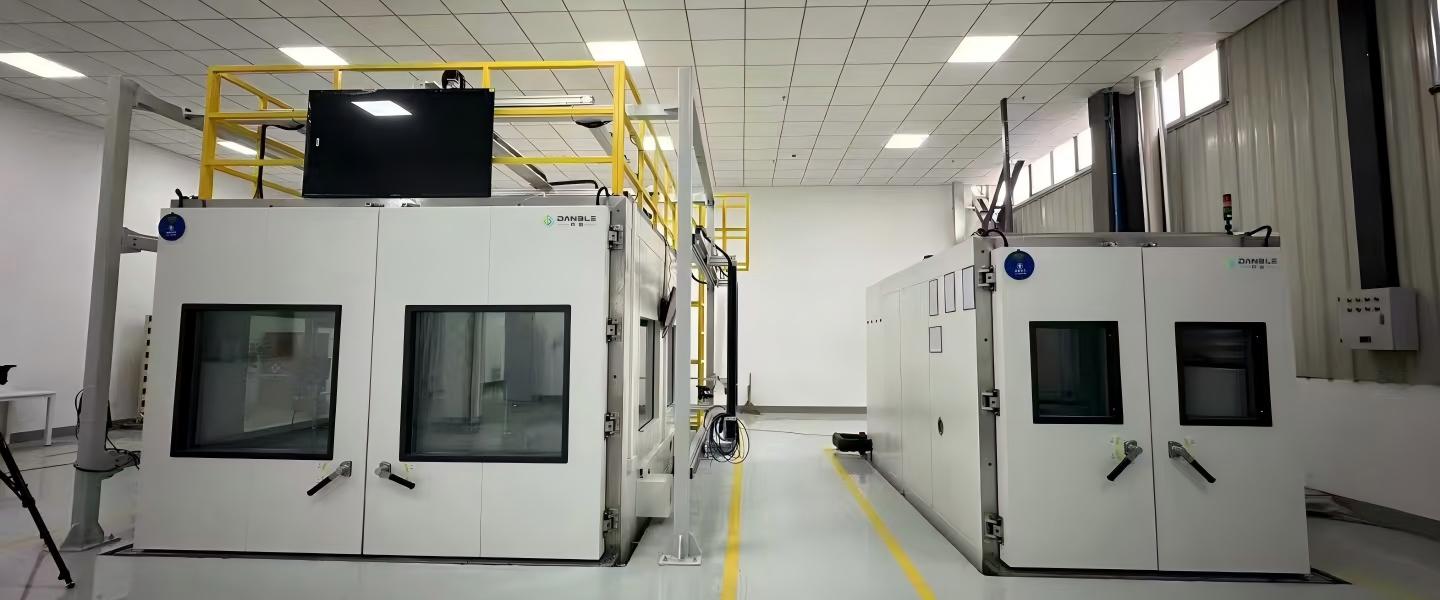
Units are placed in specialized environmental test chambers that precisely control temperature, humidity, and vibration. These chambers ensure uniform stress distribution and real-time monitoring of product performance.
Run Stress Cycles
The chamber executes programmed stress profiles:
Thermal: -40℃(15-30min)→rapid heat→+85℃(15-30min)→rapid cool
Vibration: Random vibration (5-2000Hz) for 30-60 mins, simulating operation/shipping
Monitor & Detect Failures
Sensors and functional tests track product performance during screening. Failures (e.g., power loss, signal errors) indicate latent defects; these units are tagged for repair or scrapping.
Analyze & Optimize
Post-screening, teams analyze failure data to identify process weaknesses (e.g., weak soldering, inconsistent components) and refine production lines for future batches.
Why Manufacturers Need ESS: Key Benefits
For manufacturers, ESS is not just a quality step—it's a strategic investment that drives cost savings, customer satisfaction, and compliance. Below are its most impactful advantages:
1. Eliminates Latent Defects & Reduce Early Failures
Standard functional tests miss 30–50% of latent defects that cause field failures. ESS exposes 75–85% of these issues (90% when combining thermal + vibration stress). Industry data shows ESS reduces early failure rates by 50%+, drastically cutting post-launch malfunctions.
2. Cut Warranty & Recall Costs
Field failures are expensive: repairing a product after shipment costs 10–100x more than fixing it during production. By catching defects early, ESS slashes warranty claims, recall risks, and associated labor/ material costs—critical for high-volume industries like consumer electronics and automotive.
3. Boost Product Reliability & Brand Reputation
Products that pass ESS have a longer, more stable service life. Fewer failures mean happier customers, positive reviews, and stronger brand trust—key differentiators in competitive markets. For aerospace and defense, where reliability is mission-critical, ESS is non-negotiable.
4. Ensure Compliance With Industry Standards
Many sectors (automotive, aerospace, medical devices) require ESS for regulatory compliance. Standards like ISO 9001, IPC-9850, and military specifications mandate ESS to validate product durability and safety. Non-compliance can lead to rejected shipments, fines, or lost certifications.
5. Optimize Production Processes
ESS failure data provides actionable insights into production weaknesses. If multiple units fail at the same solder joint, for example, teams can adjust soldering parameters or train staff—creating a feedback loop that improves long-term manufacturing quality.
Industries That Rely on ESS
Electronics & Semiconductors: Smartphones, circuit boards, and sensors undergo thermal cycling to expose solder and component defects.
Automotive: ECUs, battery packs, and infotainment systems use ESS to withstand extreme temperatures and vibration during operation.
Aerospace & Defense: Avionics, radar systems, and military gear endure rigorous ESS to function reliably in harsh environments (high altitude, extreme cold/heat).
New Energy: EV batteries, solar inverters, and energy storage systems rely on ESS to validate safety and performance under thermal stress.
Medical Devices: Implantable devices, diagnostic equipment, and lab instruments use ESS to ensure precision and reliability for patient safety.
How Danbles ESS Chambers Simplify & Optimize ESS Tesing
While Environmental Stress Screening (ESS) is straightforward in principle, precise, consistent execution depends on professional equipment. Danble ESS chambers go beyond basic temperature-humidity cabinets—engineered to solve manufacturers' real-world ESS challenges efficiently.
1. Fully Customized For Your Product's Unique Needs
Different products demand tailored screening:
Flexible sizes: 50L benchtop units (small electronics) to 100,000L walk-in chambers (large machinery).
Optional modules: Integrated vibration tables, salt spray systems, or cleanroom-compatible designs.
Intuitive control: Touchscreen for custom stress cycles or preset industry-standard templates.
2. Industrial-Grade Durability for 24/7 Operation
ESS chambers run for hours—sometimes days—at a time. Danble's chambers are constructed with:
Stainless steel inner cavity: Resists corrosion from humidity, chemicals, and temperature cycles.
High-performance core components: Stable temperature uniformity and rapid change rates under non-stop use.
Comprehensive safety features: Overtemperature alarms, emergency stops, and pressure relief for sample and staff protection.
3. User-Friendly for All Skill Levels
Simplicity without sacrificing professionalism:
Visual control system: Drag-and-drop programming + real-time monitoring dashboards.
Remote access: Adjust settings or check progress via mobile/PC for multi-line management.
One-click reporting: Auto-export test logs with curves and pass/fail results for easy filing/audits.
Ready to Integrate ESS Into Your Production?
#EnvironmentalStressScreening #ESSChamber #ProductReliability #ManufacturingQuality #DanbleInstruments #IndustrialTesting #QualityControlSolutions #ESS Testing