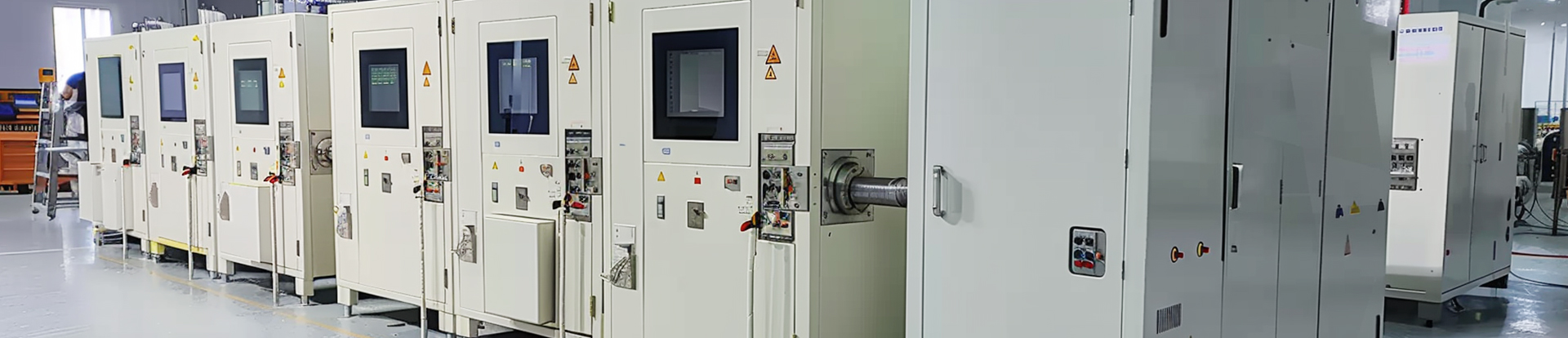
1. Product Overview
The Rapid Temperature Change Test Chamber is a precision-engineered environmental testing device designed to subject products and materials to extreme, fast-changing temperature conditions. Unlike standard thermal chambers, it specializes in achieving very high rates of heating and cooling, compressing years of thermal stress into hours or days.
This accelerated stress testing is critical for uncovering latent defects, verifying product robustness, and predicting long-term reliability in fields like electronics, automotive, and aerospace. By simulating the rapid temperature swings a product might encounter during transportation, storage, or operation, it enables manufacturers to identify weaknesses early, improve designs, and ensure compliance with international reliability standards.
2. Key Features & Technical Advantages
Extreme Temperature Ramp Rates: Engineered for high-speed performance, with rapid change rates ranging from 5°C/min to 15°C/min or higher, significantly reducing test cycle times and accelerating time-to-market.
Wide & Precise Temperature Range: Covers a broad spectrum, typically from -70°C to +150°C, providing extreme hot and cold testing capabilities in a single, stable environment.
Superior Temperature Uniformity & Stability: Advanced airflow design ensures exceptional temperature uniformity (e.g., ±0.5°C to ±2.0°C) and stability (±0.5°C) across the entire workspace, guaranteeing consistent and repeatable test results.
Advanced Programmable Controller: Features a color touchscreen interface for intuitive creation, storage, and execution of complex multi-step test profiles. Allows precise control of ramp rates, dwell times, and cycle counts.
Robust Construction for Durability: Built with a high-grade stainless steel interior, efficient glass wool or PUF insulation, and a high-capacity cascade or dual-stage refrigeration system for reliable performance under demanding, continuous cycling.
Comprehensive Safety & Protection: Integrated safety suite includes over-temperature protection, compressor overload protection, dry-run prevention, and circuit breakers to safeguard both the operator and the unit.
Data Recording & Connectivity: Equipped with standard USB and/or Ethernet ports for real-time data logging, curve graphing, and remote monitoring, facilitating easy test report generation and analysis.
Standards Compliance: Designed and validated to meet relevant industry and military testing standards such as IEC 60068, MIL-STD-810, and ISO 16750.
3. Application Fields
This chamber is a critical tool for Environmental Stress Screening (ESS), Reliability Growth Testing, and failure analysis across diverse sectors:
Electronics & Semiconductors: Testing PCBs, ICs, connectors, and consumer electronics for solder joint cracks, component delamination, and intermittent failures.
Automotive Industry: Validating the durability of ECUs, sensors, infotainment systems, lighting, and battery components under hood and in-vehicle thermal shock conditions.
Aerospace & Defense: Qualifying avionics, communication equipment, and mission-critical components for extreme and rapid temperature fluctuations encountered during flight.
Telecommunications: Ensuring the reliability of 5G components, servers, routers, and base station hardware against thermal fatigue.
Consumer & Industrial Goods: Testing household appliances, power tools, LED lighting, and other products for performance and longevity under rapid thermal cycling.
4. Tips for Choosing the Right Chamber
Selecting the optimal chamber depends on your specific testing requirements. Consider these key factors:
Required Temperature Range & Rate: Define your maximum and minimum test temperatures. Most critically, determine the necessary ramp rate (°C/min). A 10°C/min chamber is significantly different in performance and cost from a 3°C/min model.
Workspace Capacity: Choose an internal volume that accommodates your test specimens with adequate clearance (typically 10-20cm from walls) for proper air circulation. Common sizes range from 50L to 3000L.
Compliance Standards: Confirm the chamber is designed and documented to meet the specific test standards your product must comply with (e.g., MIL-STD, IEC).
Controller & Data Needs: Ensure the programmable controller is user-friendly and can handle your desired profile complexity. Verify data logging and export capabilities meet your documentation requirements.
Reliability & Support: Evaluate the build quality, compressor technology, and the manufacturer's reputation. A reliable warranty and accessible technical support are crucial for minimizing downtime.
Whether you need to test product lifespan, material stability, or performance under extreme conditions, our rapid temperature change test chamber provides the precision and durability to drive confident product development.